Օնտոգենեզը սեռական ճանապարհով բազմացող օրգանիզմների անհատական զարգացումն է, որը սկսվում է զիգոտի առաջացումից և տևում մինչև օրգանիզմի վախճանը։ Այն բաժանվում է սաղմնային և հետսաղմնային շրջանների։ Սաղմնային փուլը ընդգրկում է զիգոտի ձևավորումից մինչև ծնունդը կամ ձվից դուրս գալը, իսկ հետսաղմնայինը սկսվում է ծննդից կամ ձվից դուրս գալուց մինչև օրգանիզմի վախճանը։ Սաղմնային շրջանը բաժանվում է երեք փուլերի՝ տրոհում, գաստրուլյացիա և առաջնային օրգանոգենեզ։
Կենդանիների տարբեր տեսակների և նույն տեսակի տարբեր դասերի համար այդ փուլերի ընթացքը կարող է տարբերվել։ Տրոհման ընթացքում զիգոտը բաժանվում է փոքր բջիջների՝ բլաստոմերների, որոնք շարունակում են բազմանալ և փոքրանալ։ Այս բջիջների տարածումից կենտրոնում ձևավորվում է խոռոչ, և սաղմը ստանում է պղպջակաձև կառուցվածք, որը կոչվում է բլաստուլա։
Գաստրուլյացիայի փուլում բջիջները տեղաշարժվում են, և սկսվում է դիֆերենցիացիան՝ բջիջների ու մասերի ֆունկցիոնալ տարբերացման գործընթացը։ Այս փուլում ձևավորվում են սաղմնային երեք թերթիկներ՝ էկտոդերմ, էնտոդերմ և մեզոդերմ։ Էկտոդերմից զարգանում է մաշկը, նյարդային համակարգը, զգայարանները, էնտոդերմից՝ մարսողական գեղձերը և աղիները, իսկ մեզոդերմից՝ մկանները, ոսկրերը, սեռական գեղձերը, երիկամները և արյունատար համակարգը։ Սաղմնային զարգացումը ապահովում է բոլոր օրգանների և հյուսվածքների փոխազդեցությունը։
Հետսաղմնային զարգացումը լինում է ուղիղ և անուղղակի։ Ուղիղ զարգացման դեպքում ձվից դուրս է գալիս փոքր չափերով, բայց հասուն օրգաններին համապատասխան բոլոր օրգաններն ունեցող օրգանիզմ, որը հետագայում աճում և հասունանում է (սողուններ, թռչուններ, կաթնասուններ)։ Անուղղակի դեպքում ձվից դուրս է գալիս թրթուր՝ պարզ կառուցվածքով, որը հետագայում անցնում է ձևափոխության՝ հասուն ձևի հասնելու համար։ Այս գործընթացը կոչվում է թերի կամ լրիվ կերպարանափոխություն, և այն կարևոր է, քանի որ թույլ է տալիս թրթուրներին և հասուն ձևերին ապրել տարբեր միջավայրերում, նվազեցնելով տեսակների միջև գոյության կռիվը։
Գրիգոր Զոհրապը ծնվել է 1861 թվականի հունիսի 26-ին Կ. Պոլսում։ Փայլուն ունակություններ ունեցող Զոհրապը ավարտում է տեղի ֆրանսիական համալսարանները՝ դառնալով երկրաչափ-ճարտարապետ և իրավաբան։ Նրա խորթ հայրը մեծ դեր է խաղում Գրիգորին փաստաբանական աշխարհ ուղղորդելու գործում։
27 տարեկանում Զոհրապն ամուսնանում է Կլարա Յազըճյանի հետ։ Նրանք ունենում են 4 զավակ՝ երկու տղա և երկու աղջիկ։
Պատանեկան տարիքից Զոհրապը գրում է բանաստեղծություններ, հաջող շարադրություններ։
17 տարեկանում Զոհրապը Հայկական հարցի մասին գրում է մի հոդված, որով քննադատում է հայտնի քաղաքական գործիչների հայացքները, որոնք շարունակում էին մեծ տերությունների հետ կապել արևմտահայության ազատագրության հույսը։ Այս ժամանակ լույս է տեսնում Զոհրապի հոդվածը, որտեղ նա առաջարկում էր ինքնախաբեությամբ չզբաղվել և այլ ելքեր մտածել։
25 տարեկանում Զորհապը տպագրում է «Անհետացած սերունդ մը» վեպը, բայց հետո հասկանում է, որ մեծածավալ գործերն իր համար չեն։ Մեկ տարի անց լույս է տեսնում առաջին նորավեպը՝ «Վարդապետին անունը», որից հետո լույս են տեսնում նորավեպերի երեք ժողովածուները՝ «Կյանքն ինչպես որ է», «Լուռ ցավեր», «Խղճմտանքի ձայներ»։ Բայց նա գրական փառքի մասին մտածելու ժամանակ չուներ:
Փաստաբան Զոհրապը կարողանում էր անհնարին թվացող գործեր շահել։ Նա սուլթանական դատարանում միշտ պաշտպանում էր հանիրավի ամբաստանված հայերի, հույների, բուլղարների և այն այլազգի անմեղների դատը, որոնք սովորաբար հետապնդվում էին օսմանյան բռնատիրության դեմ ըմբոստանալու համար՝ հանուն իրենց ազգային ու մարդկային իրավունքների:
Զոհրապի համարձակ գործունեությունը սկսում է խանգարել սուլթանական վերնախավին։ Մի բուլղար հեղափոխականի իրավունքները պաշտպանելու համար Զոհրապը դատի է տալիս թուրքական կառավարությանը, որից հետո նրա դեմ հալածանքներ են սկսվում։ Նրան հեռացնում են Պոլսից, զրկում փաստաբանությամբ զբաղվելու իրավունքից։ Զոհրապը որոշ ժամանակ ապրում է արտասահմանում։
1908թ. Թուրքիայում տապալվում է սուլթան Համիդի միապետությունը, հաստատվում են սահմանադրական կարգեր: Իշխանության գլուխ անցած «Երիտասարդ թուրքեր» կուսակցությունը սկզբում հանդես էր գալիս կեղծ ժողովրդավարության դիմակով:
Թուրքական մեջլիսի (խորհրդարան) պատգամավորներ էին ընտրվում նաև ազգային փոքրամասնություններից: Զոհրապը վերադառնում է Պոլիս և ընտրվում է մեջլիսի հայ պատգամավոր, բայց շուտ է հասկանում, որ թուրքերի գործելակերպը չի փոխվել: Պառլամենտում նա շարունակում է իր ելույթները՝ պաշտպանելով ազգային փոքրամասնությունների շահերը:
1913 թ․ Մարսել Լեար կեղծանունով Զոհրապը ֆրանսերեն հրատարակում է «Հայկական հարցը վավերագրերի լույսի ներքո» գիրքը։ Ուզում էր միջազգային հանրությանը ներկայացնել խնդրի բոլոր կողմերը։
1915 թ․ ապրիլի 24-ին Զոհրապին մյուս հայ մտավորականների հետ չձերբակալեցին։ Այս ընթացքում Զոհրապին առաջարկում են հեռանալ երկրից։ Զոհրապը հրաժարվում է՝ ասելով․ «Որու թողում (ում թողնեմ) սա անտեր և անգլուխ ժողովուրդը»:
Տեսնելով, որ միջազգային հանրությունը լռում է, թուրքերը ձերբակալեցին նաև Զոհրապին։ Աքսորի ճանապարհին էլ Զոհրապը մի քանի անգամ հնարավորություն է ունենում փախչելու, բայց նորից հրաժարվում է։
1915-ի հուլիսի 7-ին մարդասպանները Զոհրապին ու մյուս հայ պատգամավոր Վարդգեսին տանող կառքը կանգնեցնում են՝ նրանց սպանելու հրամանը կատարելու համար։
Վերլուծություններ
Զոհրապից որոշեցի կարդալ չորս ստեղծագործություն՝ «Ճիտին պարտքը», «Այրին», «Այինկա» և «Զաբուղոն»: Մի քիչ դժվար էին կարդացվում, սակայն հիմնական իմաստը հասկանալի էր: Ինձ այս տեսակի ստեղծագործությունները դուր եկան, քանի որ կարճ են, բայց միևնույնն է կարևոր մտքեր և խնդիրներ են բարձրաձայնում:
«Ճիտին պարտքը» մի տանջված հոր մասին էր, ով աշխատանք չուներ և փորձում էր մի ձևով փող վաստակել՝ խանութից խանութ տարբեր մատուցումներ անելով: Այս ամենը անում էր իր երկու աղջիկների համար, ովքեր իր կյանքի միակ երջանկությունն էին: Նա միշտ իր հետ էր տանում մի կաշվե հին պայուսակ, որի մեջ էր պահում առևտուրը:
Մի օր նա գնում է Պոլիս՝ աշխատանք գտնելու, սակայն չի գտնում այն և իր ունեցած փողը չի հերիքում տուն վերադառնալու համար: Նա ուղղակի թափառում է քաղաքով՝ մտածելով իր կյանքի մասին: Եվ հասնելով կամրջին՝ հասկանում է, որ իր փողը և պայուսակը կորցրել է: Հաջորդ դրվագում Հուսեփ աղան ջրում է. ինքնասպանություն է արել: Իր պայուսակի մեջ լցրել էր քարեր և նետվել կամրջից ցած: Լուսինը նկարագրվում է, որպես մի մետաղադրամ:
Ինձ թվում է, որ լուսնի և մետաղադրամի համեմատությունը ցույց է տալիս, թե ինչպես են մարդիկ միշտ ձգտում դեպի փողը, քանի որ կարծում են, որ այն կարող է կարգավորել ամեն ինչ: Այն ամեն ինչից վեր է, ինչպես լուսինը: Սակայն քարերով լի պայուսակը խորհրդանշում է մարդկանց պարտավորությունները, պարտքը և դժվարությունները, որոնք նրանց անընդհատ հետ են քաշում նորմալ կյանքից, ճնշում են նրանց:
Հուսեփ աղան ամբողջ ժամանակ իր պայուսակի հետ էր, այն իր թևատակի տակ սեղմած: Ինձ թվում է, այն իրեն ինչ որ կայունության, բալանսի զգացողություն էր բերում, քանի որ այն իր մոտ ասոցիացվում էր աշխատանքի հետ, որից նա վաստակ էր ստանում: Սակայն կորցնելով այն և առանց դրա լինելով նա սկսում է ավելի խորը մտածել իր ապրած կյանքի մասին, թե ինչպես նա չի կարող իր երեխաներին լավ պահել, թե ինչքան պարտք ունի և թե ինչ ամոթ է ուրիշներից անընդհատ փող խնդրել: Երբ նա հասկանում է, որ կորցրել է իր պայուսակը, նա իր բալանսն էլ է կորցնում: Այդ նոր մտքերը նրան այլևս չեն թողնում հետ գնալ սովորական կյանքի և մի պահում նրան խորտակում է ներսից: Նա կորցնում է իր վերջին հավասարակշռությունը և կատարում այդ արարքը:
«Ճիտին պարտքը» դեռ արդիական է, որովհետև ցույց է տալիս, թե ինչ դժվար է ապրել աղքատության, պարտքերի ու անաշխատության մեջ։ Հուսեփ աղայի պատմությունը նման է շատ մարդկանց կյանքին, ովքեր շատ են փորձում, բայց չեն կարողանում պահել իրենց ընտանիքը։
«Այրին» մի նորապսակ զույգի մասին է: Ամուսինը ամուսնությունից միայն երկու ամիս անց մեկնում է Պոլիս՝ աշխատելու, իսկ կինը մնում է տանը և օգնում բարեկամներին: Տղամարդը Պոլիսում հանդիպում է շատ կանանց, ում նա դուր է գալիս, և դավաճանում է իր կնոջը: Այս ստեղծագործությունը մի մեծ խնդիր է բարձրաձայնում դավաճանության մասին, հատկապես պանդխտության մեկնած տղամարդկանց դավաճանությունը:
Սկզբում Մարտիրոսի համար ամեն ինչ նոր էր և անհասկանալի, սակայն որոշ ժամանակ անց նա հասկանում է, որ այդ կանանց հետաքրքրում է և սկսում է դավաճանել Զարդարին: Նրան մեկ էր իր նոր ընտանիքի վրա, նա լրիվ զբաղված էր այլ կանանցով և կարևորում էր նրանց համար գրավիչ մնալը:
Միևնույն ժամանակ այստեղ կա մի այլ կերպար՝ Խչոն, ով փողը հավաքում է, հետ գնում իր նոր ընտանիքի մոտ և երջանիկ ապրում: Այստեղ երևում է, թե ինչպես էր դա ամբողջովին Մարտիրոսի որոշումը: Երբ Խչոն աշխատում էր՝ իր ընտանիքի մասին մտածելով, Մարտիրոսը ուրիշների մասին էր մտածում:
Զարդարը այդպես էլ մնում է միայնակ, ինչպես գերի ընկած այդ ընտանիքում: Նա միշտ եկեղեցում աղոթում է և չի հասկանում, թե ինչու էր նրան այսպիսի դժբախտություն պատահել: Զարդարը անընդհատ գնում է նույն այտի մոտ, որտեղ վերջին անգամ ճանապարհել էր Մարտիրոսին՝ հուսալով, որ նա հետ կգա:
Մարտիրոսը՝ տեսնելով, որ ծերանում է և գրավչությունը կորցնում է, որոշում է ամուսնանալ մի կնոջ հետ, ով փող ունի: Այսպիսի ավարտ ունեցավ նրանց պատմությունը, որը, սակայն, կարող էր լավ վերջանալ, եթե Մարտիրոսը այդքան հեշտ չլիներ: Այրի է կոչվում, քանի որ չնայած նրան, որ նրանք դեռ ամուսնացած էին, Մարտիրոսը լքել էր իր ընտանիքը լրիվ:
Այս պատմությունը իմ կարծիքով շատ արդիական է, քանի որ չնայած նրան, որ դավաճանությունը ամոթալի է մեր հասարակության մեջ, շատերը դեռ դա անում են: Ինձ թվում է դա գալիս է նրանից, որ մարդիկ հաճախ մոռանում են իրենց ընտանիքի ու տված խոսքի մասին։ Հիմա էլ շատ զույգեր բաժանվում են աշխատելու համար և այդ հեռավորությունը բերում է դավաճանության ու խնդիրների։
«Զաբուղոն» մի չստացված սիրո պատմություն է: Զաբուղոն մի գող էր, ով սիրահարվում է մի աղջկա՝ Վասիլիկի, ով նրան նույնպես սիրում էր: Նրանք նշանած էին, բայց ոչ թե մեծ դահլիճում՝ բոլորի առջև, այլ միայն երկուսով էին, գիշերով իրար խոստում էին տվել հավերժ սիրո: Ինչքան էլ նրանք ուզեին բոլորի դիմաց դա անել, չէին կարող, քանի որ Զաբուղոին բանտ կուղարկեին: Սակայն Վասիլիկը չէր ուզում սա թաքցնել, ուզում էր բոլորին պատմել և հոգնել էր թաքնվելուց: Այդ պատճառով մի օր որոշում է ոստիկաններին հանձնել Զաբուղոին. Վասիլիկին ամուսնության առաջարկություն էին արել: Եվ երբ Զաբուղոն կարողանում է բանտից փախչել, տեսնում է Վասիլիկին մի ուրիշ տղայի հետ: Միտք է ծագում սպանել նրան, բայց հասկանում է, որ նրանք դրան արժանի չեն և հետ է վերադառնում բանտ: Զաբուղոն այլևս ոչ ոքի չուներ, բացի Վասիլիկից:
Այստեղ նույնպես կա դավաճանության թեման: Այս պատմությունը արդիական է, որովհետև ցույց է տալիս, թե ինչ է լինում, երբ սերը չի դիմանում հասարակական ճնշումներին, մարդկանց կարծիքներին ու սեփական շահերին։ Վասիլիկը շատ էր ուզում կիսվել մարդկանց հետ նրանով, որ նա ընկեր ունի, քանի որ երևի ուզում էր հասարակության քաջալերանքի արժանանալ, սակայն Զաբուղոն չհամաձայնեց և նա ուրիշին գտավ: Ինձ թվում է՝ նա Զաբուղուին չէր սիրում:
«Այինկա» ստեղծագործությունը ինձ համար դժվար էր և անհասկանալի: Այն պատմում է երկու եղբայրների մասին, որոնցից մեկը թմրանյութ վաճառող էր, իսկ մյուսը՝ ոստիկան: Պերճուհին սիրում էր Սահակին՝ ոստիկանին, սակայն չէր կարող նրա հետ լինել, քանի որ իր հայրն էլ էր թմրանյութ վաճառող: Նա ստիպված է լինում նշանվել Հակոբոսի հետ: Եղբայրները իրար դեմ էին և մի անգամ կռվեցին, Հակոբոսը՝ իր մարդկանց հետ, Սահակը՝ ոստիկանների հետ: Սահակը այդ կռվում զոհվեց: Պերճուհին, չդիմանալով այդ կորստին, բաժանվում է Հակոբոսից և միշտ սև շորեր է հագնում:
Այս պատմության մեջ երևում է ընտանիքի ազդեցությունը և կարևորությունը առաջվա հասարակության մեջ: Պերճուհին կարող էր երջանիկ ապրել Սահակի հետ, սակայն իր ընտանիքի պատճառով չկարողացավ: Ինձ թվում է սա դեռ որոշ չափով արդիական է, հատկապես հայկական հասարակության մեջ, սակայն հիմա կանայք ավելի շատ են իրենց ուզածը անում և այդքան ուշադրություն չեն դարձնում ընտանիքի վրա:
Since Sudan became independent in 1956, the country has faced repeated violence and instability. Over the years, more than 2.5 million people have been killed in different conflicts, including two long civil wars that eventually led to the creation of South Sudan in 2011. One of the darkest moments was the Darfur genocide from 2003 to 2005, when the Sudanese government under Omar al-Bashir, along with the Janjaweed militias, targeted non-Arab groups, killing over 200,000 people and forcing more than 2 million from their homes.
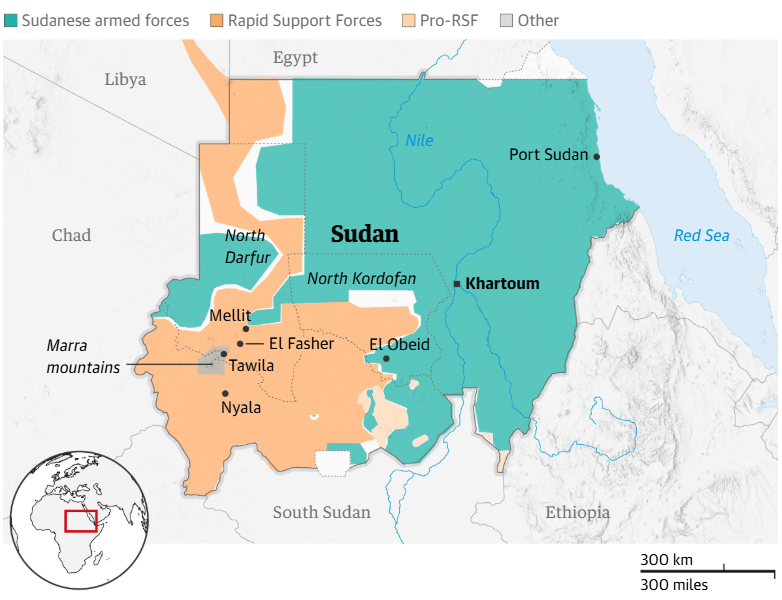
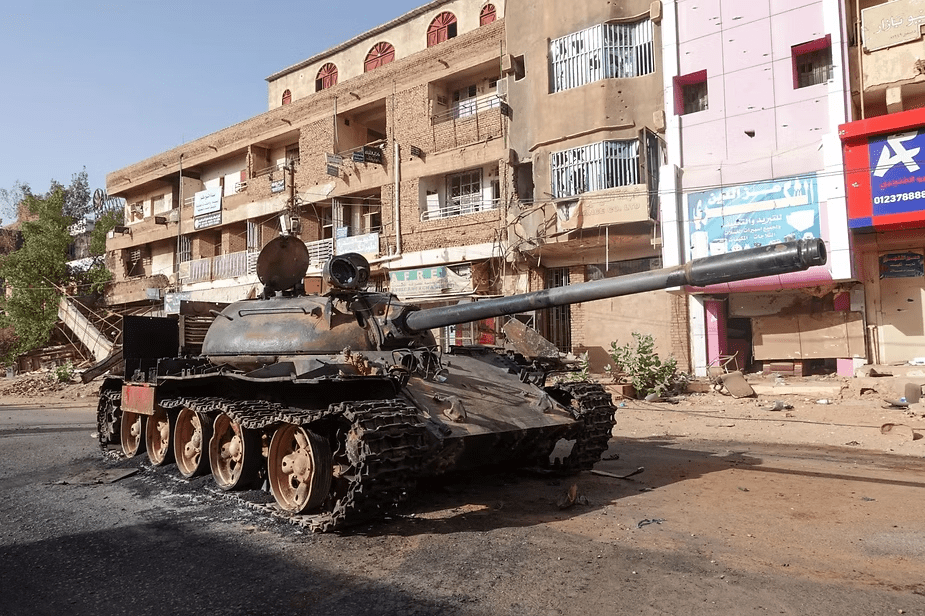
In 2019, al-Bashir was removed from power after being charged with genocide by the International Criminal Court. A transitional government took over, but it was overthrown in 2021 by the Sudanese Armed Forces (SAF) and the Rapid Support Forces (RSF), which grew out of the Janjaweed militias. Tensions between these two groups erupted into war in April 2023. Since then, more than 15,000 people have been killed, over 6 million displaced, and Darfur has again seen ethnically targeted violence by the RSF. In January 2025, U.S. Secretary of State Antony Blinken officially stated that the RSF and allied militias were committing genocide in Darfur.
In this project we want to spread awareness about this genocide, the causes, consequences and how people are dealing with it.
Causes
The Sudanese genocide, especially the tragedy in Darfur, began because of a complex mix of political, economic, and ethnic tensions. These causes built up over many years, involving not only internal conflicts but also foreign interests that made the situation worse. Understanding these reasons helps explain why such a terrible event occurred.
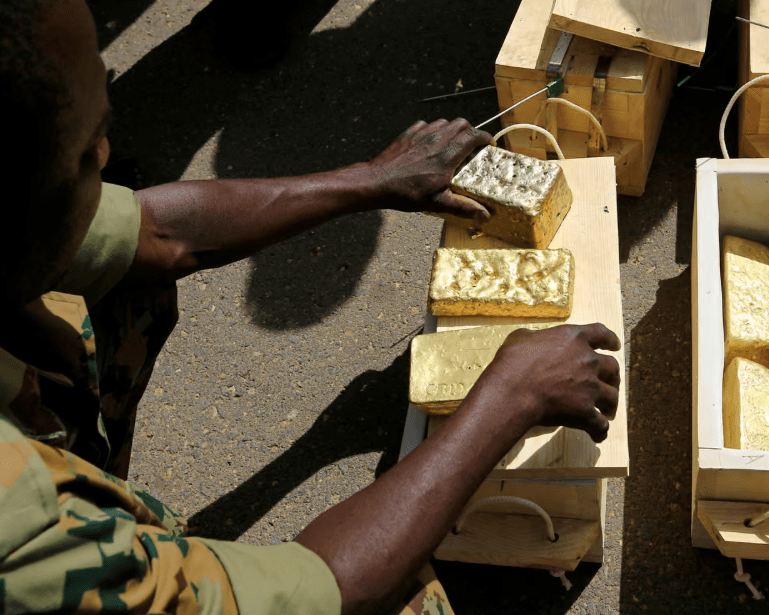
Gold has been a big reason for the war in Sudan. The Rapid Support Forces (RSF) are very involved in trading gold, but both sides in the conflict have smuggled and sold large amounts of gold to pay for their fighting. The UAE benefits a lot from this trade. In 2022, the UAE officially imported 39 tons of gold from Sudan, worth over $2 billion. But much more gold is smuggled through other countries like Chad, Egypt, Ethiopia, South Sudan, and Uganda before it ends up in the UAE. According to the United Nations, over 60 tons of Sudanese gold reached the UAE through these routes in 2022. The US State Department says the UAE gets almost all the gold Sudan exports.
The UAE is the biggest place in the world where gold from Africa is cleaned and sold legally. In 2022, about 405 tons of illegal gold from sub-Saharan Africa were smuggled into the UAE. Experts say that gold that is smuggled illegally becomes legal once it is sold in the UAE.
Another important factor was Sudan’s authoritarian government under President Omar al-Bashir. Bashir ruled with strict control and allied himself with Islamist groups to maintain power. Even though the United States and other countries imposed sanctions on his regime for human rights abuses, Gulf states continued to support Bashir financially. This support helped strengthen armed groups loyal to the government and allowed violent militias to grow unchecked.
A key element in the violence was the use of paramilitary groups, most notably the Janjaweed militias, which later became known as the Rapid Support Forces (RSF). The government armed and encouraged these groups to attack rebel forces and ethnic communities, especially non-Arab groups like the Fur, Masalit, and Zaghawa people. The Janjaweed’s brutal attacks, including killings, destruction of villages, and violence, turned the conflict into a genocide that devastated the region.
Many countries are not doing enough to help end the suffering in Sudan, and some are actually making the war worse. Egypt, Iran, and Turkey have been giving military support to the Sudanese Armed Forces (SAF), even though the SAF has carried out bombings, torture, and used starvation as a weapon. Russia first supported the Rapid Support Forces (RSF), a group with roots in the Janjaweed militias responsible for genocide in Darfur. But now Russia is trying to support both sides. In May, it made a deal with the SAF to build a Russian military base on the Red Sea in exchange for weapons.
Saudi Arabia, which has long-standing ties to the SAF, also slowed down peace efforts for months.
It wasn’t until July that the United States convinced Saudi Arabia to restart talks, which will happen in August in Geneva.
The country most responsible for the starvation and ethnic cleansing, however, is the United Arab Emirates (UAE). While the RSF carries out genocidal attacks in Darfur and other areas, the UAE has been sending weapons to them. At the same time, corrupt companies smuggle Sudanese gold into the UAE, helping fund the conflict. Despite this, Western countries have been reluctant to pressure the UAE because of its oil wealth, its role in balancing Iran, and its involvement in diplomacy around the Gaza war.
Consequences
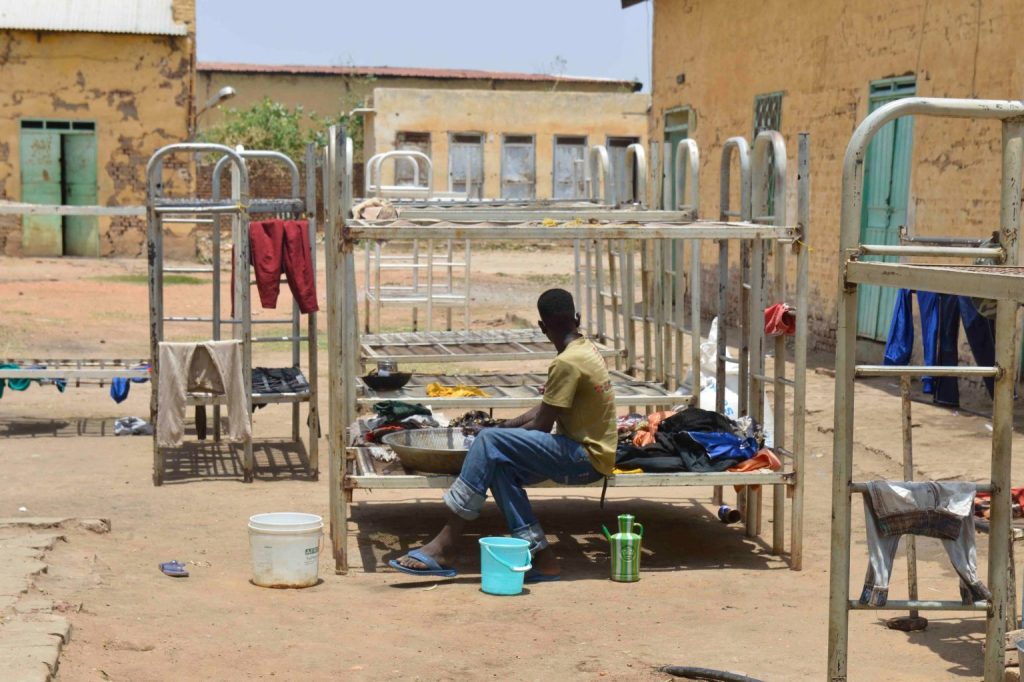
Since civil war erupted in April 2023, ten million Sudanese have fled their homes. One out of every eight internally displaced persons in the world is Sudanese, and more children have been displaced from their homes in Sudan than anywhere else.
The scale of this crisis and supply shortages across the country has created a situation where these displaced people are not only surviving without shelter, but are also lacking food, water and medicine.
However, many refugees have been arbitrarly detained and forcibly deportedto the life-threatening dangers that they were trying to escape.
Sudan’s healthcare system is close to completely breaking down. Important services like vaccinations, nutrition programs, and emergency care have stopped or are barely working. Because of this, diseases such as cholera and dengue fever are spreading. Many hospitals have been attacked or taken over by armed groups, leading to destroyed buildings, injured health workers, and closed clinics. Since April 2023, there have been at least 284 attacks on healthcare. By the end of 2023, about 70% of health facilities in conflict areas were closed or only partly working. As a result, around 11 million people urgently need medical help.
Sudan already faced serious economic problems before the current conflict began in April 2023. Inflation was high, basic goods were expensive, and people protested across the country. Now the crisis is even worse: nearly half of all Sudanese people are unemployed, and the value of the Sudanese pound dropped by at least 50% in 2023. Markets and shops, especially in Khartoum, have been looted or damaged, making it hard for people to find food, supplies, or even cash. The banking system has also collapsed, leaving workers unpaid and families dependent on digital payments that often fail during internet and communication blackouts. Inflation keeps rising, and the economy is expected to shrink.
Sudan is becoming the world’s biggest hunger crisis. Famine has already been declared in several areas, including Darfur and the Nuba region. More than 26 million people are struggling to find enough food because the fighting between the SAF and RSF has stopped farming, damaged trade, and blocked aid from reaching those who need it.
By the end of 2023, at least 435 children had been killed in the conflict. About 14 million children now need urgent help. Many lack clean water, and 2 million have missed important vaccines. Three million children under five are suffering from acute malnutrition, meaning they are not getting enough food to survive or grow. Without treatment, 700,000 children could die. Around 19 million children (one-third of all children in Sudan) are out of school. This puts them at high risk of violence, exploitation, or being forced into child soldier recruitment. Children who are alone or living in extreme poverty are especially vulnerable.
Even with famine spreading, both the SAF and RSF continue to block humanitarian aid. Groups like the World Food Programme say they cannot reach about 90% of people who urgently need food.
Among the millions displaced inside Sudan, more than 1.5 million are women and girls of reproductive age, and over 105,000 are pregnant. Reports of gender-based violence have sharply increased. These include kidnapping, forced marriage, domestic violence, child marriage linked to the conflict. Because aid groups struggle to reach affected areas, women and girls often cannot access medical care, protection services, or maternal health support. This leaves them without the help they desperately need.
Regulations
Between 2020 and 2022, international groups pressured the UAE to improve controls on gold trading and money laundering. The UAE made some changes, like checking gold refiners more closely. But there are still big problems, especially in local gold markets where gold is bought and sold for cash without clear records.
Stronger actions are needed to stop the illegal gold trade. Groups like the London Bullion Market Association and governments should push the UAE to allow independent checks on gold markets, like the Kimberley Process does for diamonds. Without this, local changes won’t stop the trade in conflict gold.
The US and European Union should also put more sanctions on companies that buy and sell gold linked to the conflict in Sudan. In June, the US blocked seven Emirati companies from using the US financial system because they were suspected of breaking Sudan sanctions. This is a good step, but more sanctions are needed to target all companies and people involved in smuggling gold from Sudan. Because these companies often change names and use fake owners, sanctions must be broad and strong to work.
The ongoing civil war has caused one of the world’s worst humanitarian catastrophes and diplomatic efforts to bring the conflict to an end have failed.
The first attempts to agree on short pauses in fighting and humanitarian corridors were made back in April 2023. In May that year, with U.S. help, talks began in Jeddah (Saudi Arabia) to create short humanitarian ceasefires, but because both sides distrusted each other, the agreements kept failing, and two rounds of talks ended without success.
In July 2024, new talks started in Geneva, but they focused mostly on humanitarian issues and protecting civilians. In August 2024, the U.S. again helped organize talks in Geneva between the RSF and the army, but Sudan’s military leadership refused to attend.
In January 2025, the U.S. placed sanctions on Hemedti and al-Burhan.
On September 12, 2025, after months of four-party talks involving the U.S., Saudi Arabia, Egypt, and the UAE, a roadmap for peace was agreed on. It included a three-month humanitarian ceasefire to restart negotiations. However, Abdel Fattah al-Burhan rejected the plan, and Hemedti ignored it.
Even though there have been many attempts to end the fighting — with help from the U.S., Saudi Arabia, Egypt, the UAE, and international organizations — real progress has not been made. The Sudanese sides continue to reject or ignore peace plans, and trust between them is almost gone.
What makes the situation worse is that many countries around the world barely pay attention to this conflict anymore. As global focus shifts to other crises, Sudan receives less support, and fewer resources. Because of this lack of attention, the violence continues, civilians keep suffering, and the chances for peace grow smaller.
Without stronger international involvement and real political pressure, it will be extremely difficult to stop the fighting and protect the people of Sudan.






 Նանե Խաչատրյան