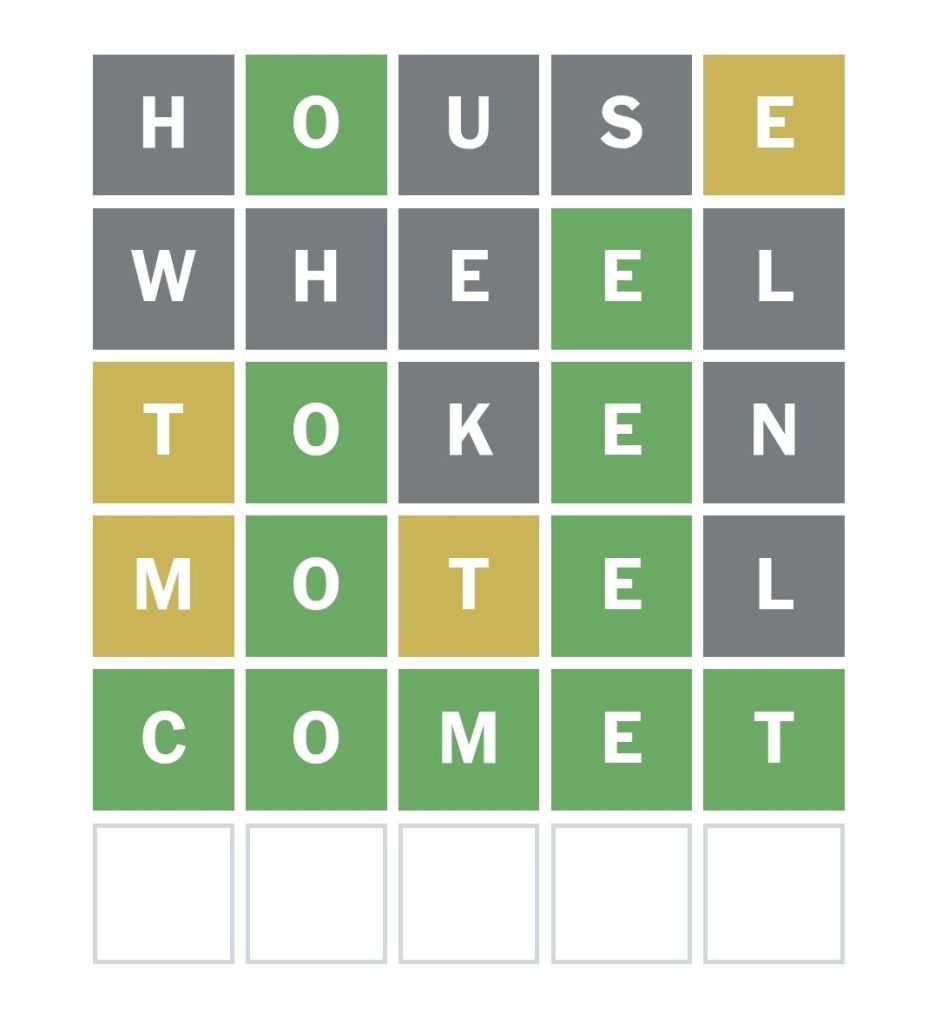
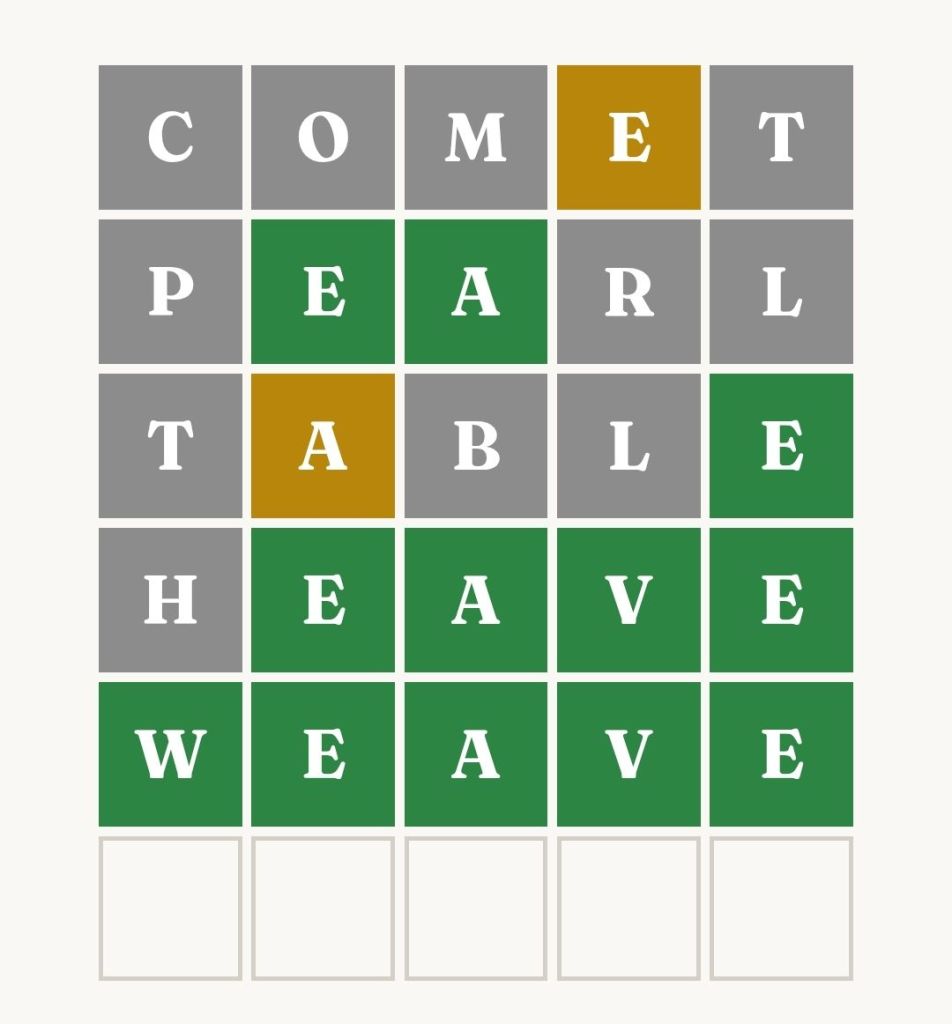
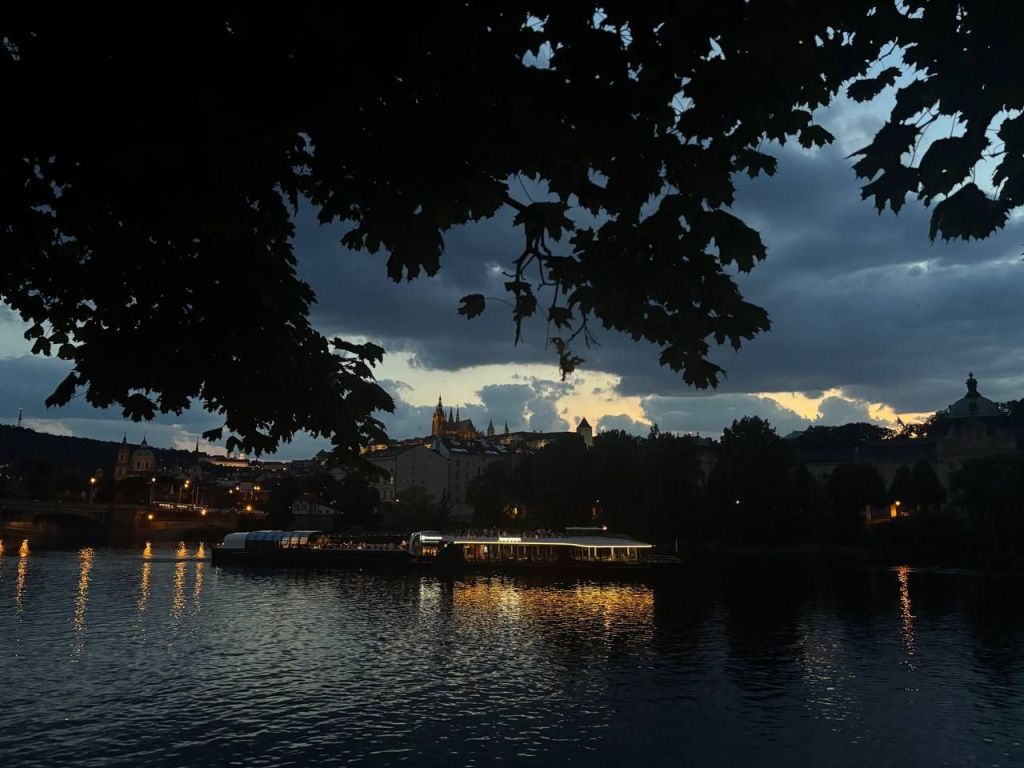
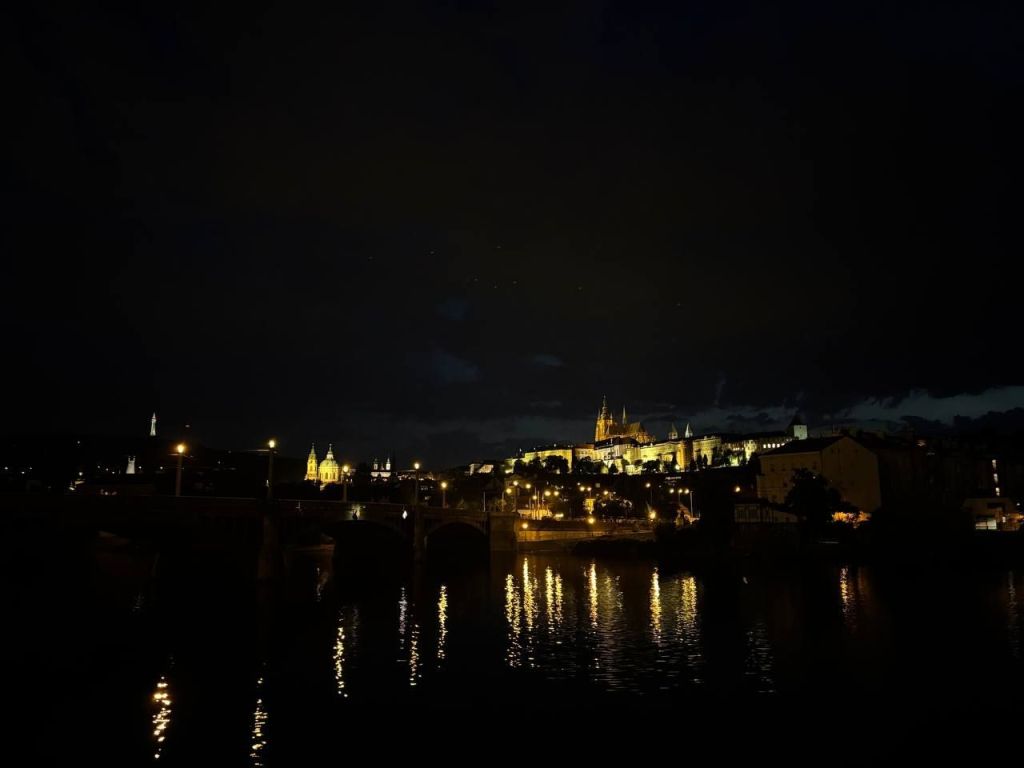
When thinking about beautiful scenery I always come back to Prague. I was there the summer of 2025 and I think it was the most amazing trip of my life. There were so many beautiful sceneries there, but i think the most nostalgic one for me is the one i saw standing on the edge of the river Vltava. We were there until the night came. We saw a beautiful sunset that made the scenery even more unforgettable. The architecture in Prague is very beautiful and there’s something about it that makes everything feel warm and cozy. There were boats in the river, showing the tourists all the beauty of Prague. I was there with our camp group, we were all just enjoying the time, I was with my close friend and a new friend I made, we spent the evening talking and getting to know each other better. That was one of the last days of our stay in Prague, so looking at that scene I knew I was gonna miss it a lot.





Since Sudan became independent in 1956, the country has faced repeated violence and instability. Over the years, more than 2.5 million people have been killed in different conflicts, including two long civil wars that eventually led to the creation of South Sudan in 2011. One of the darkest moments was the Darfur genocide from 2003 to 2005, when the Sudanese government under Omar al-Bashir, along with the Janjaweed militias, targeted non-Arab groups, killing over 200,000 people and forcing more than 2 million from their homes.
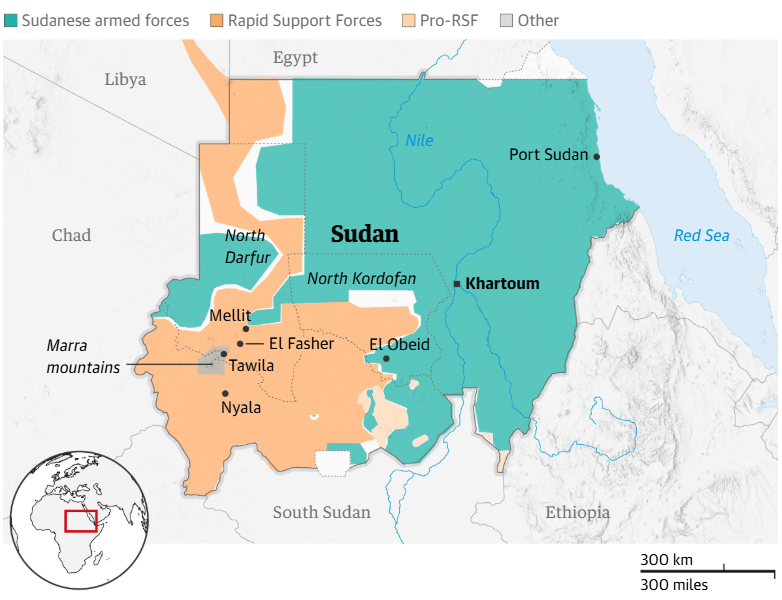
In 2019, al-Bashir was removed from power after being charged with genocide by the International Criminal Court. A transitional government took over, but it was overthrown in 2021 by the Sudanese Armed Forces (SAF) and the Rapid Support Forces (RSF), which grew out of the Janjaweed militias. Tensions between these two groups erupted into war in April 2023. Since then, more than 15,000 people have been killed, over 6 million displaced, and Darfur has again seen ethnically targeted violence by the RSF. In January 2025, U.S. Secretary of State Antony Blinken officially stated that the RSF and allied militias were committing genocide in Darfur.
In this project we want to spread awareness about this genocide, the causes, consequences and how people are dealing with it.
Causes
The Sudanese genocide, especially the tragedy in Darfur, began because of a complex mix of political, economic, and ethnic tensions. These causes built up over many years, involving not only internal conflicts but also foreign interests that made the situation worse. Understanding these reasons helps explain why such a terrible event occurred.
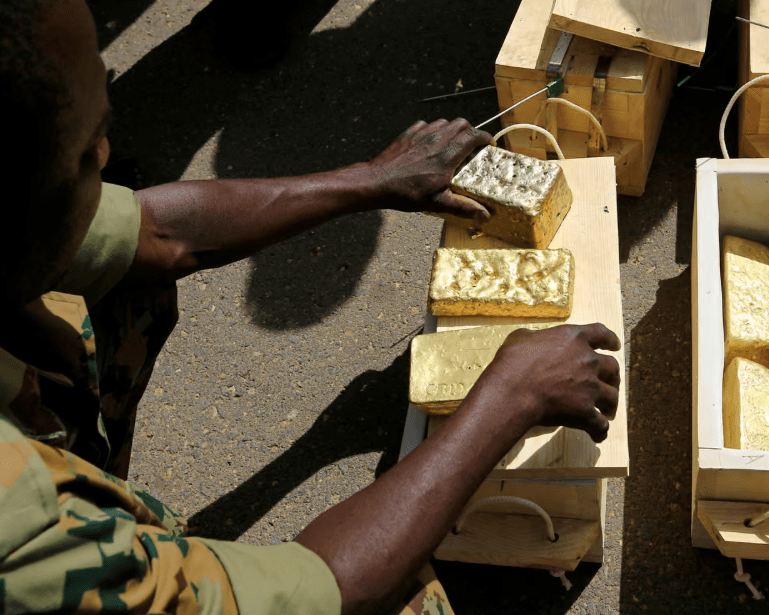
Gold has been a big reason for the war in Sudan. The Rapid Support Forces (RSF) are very involved in trading gold, but both sides in the conflict have smuggled and sold large amounts of gold to pay for their fighting. The UAE benefits a lot from this trade. In 2022, the UAE officially imported 39 tons of gold from Sudan, worth over $2 billion. But much more gold is smuggled through other countries like Chad, Egypt, Ethiopia, South Sudan, and Uganda before it ends up in the UAE. According to the United Nations, over 60 tons of Sudanese gold reached the UAE through these routes in 2022. The US State Department says the UAE gets almost all the gold Sudan exports.
The UAE is the biggest place in the world where gold from Africa is cleaned and sold legally. In 2022, about 405 tons of illegal gold from sub-Saharan Africa were smuggled into the UAE. Experts say that gold that is smuggled illegally becomes legal once it is sold in the UAE.
Another important factor was Sudan’s authoritarian government under President Omar al-Bashir. Bashir ruled with strict control and allied himself with Islamist groups to maintain power. Even though the United States and other countries imposed sanctions on his regime for human rights abuses, Gulf states continued to support Bashir financially. This support helped strengthen armed groups loyal to the government and allowed violent militias to grow unchecked.

A key element in the violence was the use of paramilitary groups, most notably the Janjaweed militias, which later became known as the Rapid Support Forces (RSF). The government armed and encouraged these groups to attack rebel forces and ethnic communities, especially non-Arab groups like the Fur, Masalit, and Zaghawa people. The Janjaweed’s brutal attacks, including killings, destruction of villages, and violence, turned the conflict into a genocide that devastated the region.
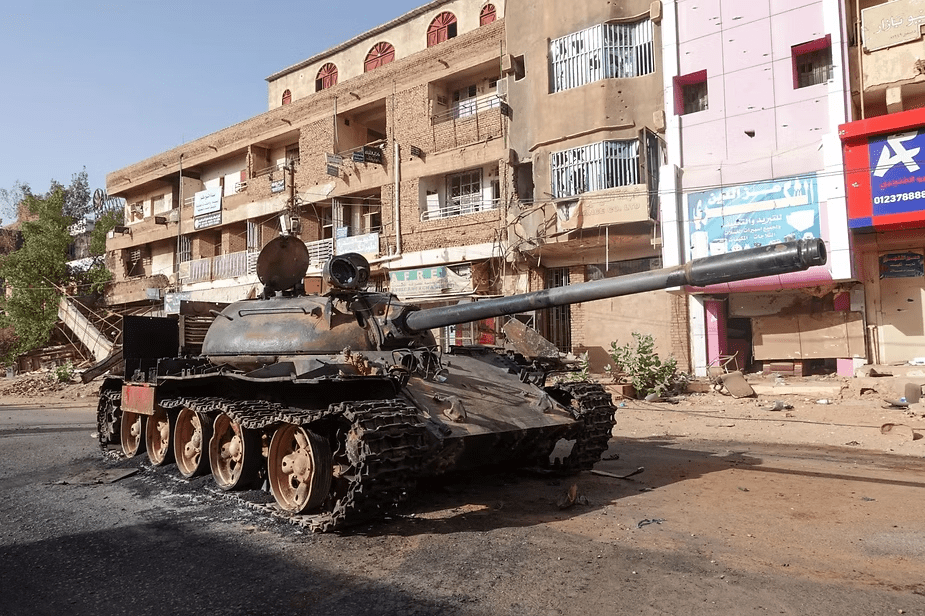
Many countries are not doing enough to help end the suffering in Sudan, and some are actually making the war worse. Egypt, Iran, and Turkey have been giving military support to the Sudanese Armed Forces (SAF), even though the SAF has carried out bombings, torture, and used starvation as a weapon. Russia first supported the Rapid Support Forces (RSF), a group with roots in the Janjaweed militias responsible for genocide in Darfur. But now Russia is trying to support both sides. In May, it made a deal with the SAF to build a Russian military base on the Red Sea in exchange for weapons.
Saudi Arabia, which has long-standing ties to the SAF, also slowed down peace efforts for months.
It wasn’t until July that the United States convinced Saudi Arabia to restart talks, which will happen in August in Geneva.
The country most responsible for the starvation and ethnic cleansing, however, is the United Arab Emirates (UAE). While the RSF carries out genocidal attacks in Darfur and other areas, the UAE has been sending weapons to them. At the same time, corrupt companies smuggle Sudanese gold into the UAE, helping fund the conflict. Despite this, Western countries have been reluctant to pressure the UAE because of its oil wealth, its role in balancing Iran, and its involvement in diplomacy around the Gaza war.
Consequences
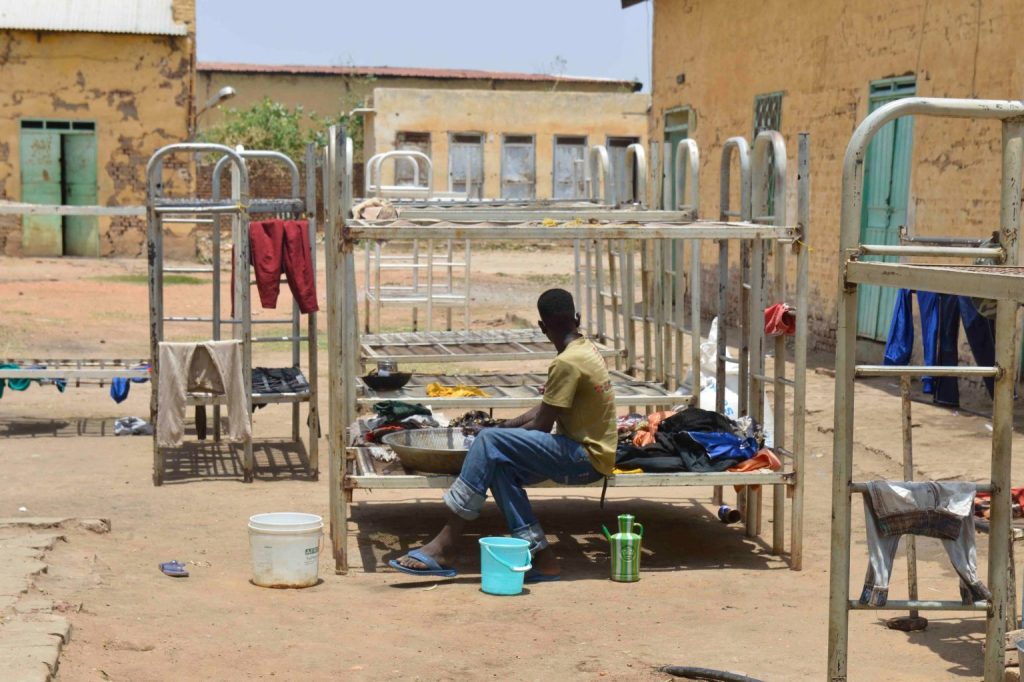
Since civil war erupted in April 2023, ten million Sudanese have fled their homes. One out of every eight internally displaced persons in the world is Sudanese, and more children have been displaced from their homes in Sudan than anywhere else.
The scale of this crisis and supply shortages across the country has created a situation where these displaced people are not only surviving without shelter, but are also lacking food, water and medicine.
However, many refugees have been arbitrarly detained and forcibly deported to the life-threatening dangers that they were trying to escape.
Sudan’s healthcare system is close to completely breaking down. Important services like vaccinations, nutrition programs, and emergency care have stopped or are barely working. Because of this, diseases such as cholera and dengue fever are spreading. Many hospitals have been attacked or taken over by armed groups, leading to destroyed buildings, injured health workers, and closed clinics. Since April 2023, there have been at least 284 attacks on healthcare. By the end of 2023, about 70% of health facilities in conflict areas were closed or only partly working. As a result, around 11 million people urgently need medical help.

Sudan already faced serious economic problems before the current conflict began in April 2023. Inflation was high, basic goods were expensive, and people protested across the country. Now the crisis is even worse: nearly half of all Sudanese people are unemployed, and the value of the Sudanese pound dropped by at least 50% in 2023. Markets and shops, especially in Khartoum, have been looted or damaged, making it hard for people to find food, supplies, or even cash. The banking system has also collapsed, leaving workers unpaid and families dependent on digital payments that often fail during internet and communication blackouts. Inflation keeps rising, and the economy is expected to shrink.
Sudan is becoming the world’s biggest hunger crisis. Famine has already been declared in several areas, including Darfur and the Nuba region. More than 26 million people are struggling to find enough food because the fighting between the SAF and RSF has stopped farming, damaged trade, and blocked aid from reaching those who need it.
By the end of 2023, at least 435 children had been killed in the conflict. About 14 million children now need urgent help. Many lack clean water, and 2 million have missed important vaccines. Three million children under five are suffering from acute malnutrition, meaning they are not getting enough food to survive or grow. Without treatment, 700,000 children could die. Around 19 million children (one-third of all children in Sudan) are out of school. This puts them at high risk of violence, exploitation, or being forced into child soldier recruitment. Children who are alone or living in extreme poverty are especially vulnerable.
Even with famine spreading, both the SAF and RSF continue to block humanitarian aid. Groups like the World Food Programme say they cannot reach about 90% of people who urgently need food.
Among the millions displaced inside Sudan, more than 1.5 million are women and girls of reproductive age, and over 105,000 are pregnant. Reports of gender-based violence have sharply increased. These include kidnapping, forced marriage, domestic violence, child marriage linked to the conflict. Because aid groups struggle to reach affected areas, women and girls often cannot access medical care, protection services, or maternal health support. This leaves them without the help they desperately need.

Regulations
Between 2020 and 2022, international groups pressured the UAE to improve controls on gold trading and money laundering. The UAE made some changes, like checking gold refiners more closely. But there are still big problems, especially in local gold markets where gold is bought and sold for cash without clear records.
Stronger actions are needed to stop the illegal gold trade. Groups like the London Bullion Market Association and governments should push the UAE to allow independent checks on gold markets, like the Kimberley Process does for diamonds. Without this, local changes won’t stop the trade in conflict gold.
The US and European Union should also put more sanctions on companies that buy and sell gold linked to the conflict in Sudan. In June, the US blocked seven Emirati companies from using the US financial system because they were suspected of breaking Sudan sanctions. This is a good step, but more sanctions are needed to target all companies and people involved in smuggling gold from Sudan. Because these companies often change names and use fake owners, sanctions must be broad and strong to work.

The ongoing civil war has caused one of the world’s worst humanitarian catastrophes and diplomatic efforts to bring the conflict to an end have failed.
The first attempts to agree on short pauses in fighting and humanitarian corridors were made back in April 2023. In May that year, with U.S. help, talks began in Jeddah (Saudi Arabia) to create short humanitarian ceasefires, but because both sides distrusted each other, the agreements kept failing, and two rounds of talks ended without success.
In July 2024, new talks started in Geneva, but they focused mostly on humanitarian issues and protecting civilians. In August 2024, the U.S. again helped organize talks in Geneva between the RSF and the army, but Sudan’s military leadership refused to attend.
In January 2025, the U.S. placed sanctions on Hemedti and al-Burhan.
On September 12, 2025, after months of four-party talks involving the U.S., Saudi Arabia, Egypt, and the UAE, a roadmap for peace was agreed on. It included a three-month humanitarian ceasefire to restart negotiations. However, Abdel Fattah al-Burhan rejected the plan, and Hemedti ignored it.
Even though there have been many attempts to end the fighting — with help from the U.S., Saudi Arabia, Egypt, the UAE, and international organizations — real progress has not been made. The Sudanese sides continue to reject or ignore peace plans, and trust between them is almost gone.
What makes the situation worse is that many countries around the world barely pay attention to this conflict anymore. As global focus shifts to other crises, Sudan receives less support, and fewer resources. Because of this lack of attention, the violence continues, civilians keep suffering, and the chances for peace grow smaller.
Without stronger international involvement and real political pressure, it will be extremely difficult to stop the fighting and protect the people of Sudan.

NEF Grammar slide 143, 2a, b, c
a. Circle the right pronoun. Tick if both are possible.
b. Complete with a pronoun.
c. Complete with it or there.
Task:
Imagine you are applying for a job in the field (sphere) you would like to work in the future. Your task is to prepare for a mock job interview. Write your answers in full sentences (as if you are in a real interview).
Start the interview by introducing yourself. Mention your name, age, and a short description of your background.
Hello, Im Nane Khachatryan. I’m 17 years old. I have always been interested in science, especially biology and how the human body works.
Talk about your education, hobbies, and personal qualities.
I’ve studied in Mkhitar Sebastatsi educational complex and then in Yerevan State Medical University. My hobbies are reading books, watching movies and in general learning new things. My personal qualities are being hardworking, curious
Highlight why you are interested in this particular job.
I’ve always liked biology and when I started to prepare for my 9th grade biology exam I looked deeper into it and became very interested. I also like chemistry, they are both very interesting to me and exciting.
Why do you want to work in this field?
I want to work in the medical field because I am fascinated by how the human body works and how diseases can be studied, understood and prevented. Research gives me the opportunity to discover answers and contribute to new knowledge that can change medicine in the future.
What are your strengths and weaknesses?
My strengths are that I’m curious and determined, I really like researching about biology, analyzing information, learning new things and thinking critically about problems. My weakness is that I’m a procrastinator and leave everything to the last minute, but I still always do whats needed.
What skills or experiences make you a good candidate?
I’ve done two volunteering works regarding medicine, particularly nervous system and it’s deseases.
Where do you see yourself in 5 years?
In 5 years I see myself as a medical student at university, actively involved in research projects. I hope to work in a laboratory, learning from professionals and preparing to specialize in an area like medical research or human evolution studies.
Why should we hire you?
You should hire me because I am motivated by curiosity and discovery. I want to contribute not only as a student but also as a researcher. I am determined, detail-oriented, and passionate about advancing knowledge in medicine.
End the interview with a short thank-you message to the interviewer.
Thank you so much for the opportunity. I’m very grateful for your time and excited to work for you.
NEF Vocabulary. Work /slide 162, ex-es 1a, 2a, c, 3
1a. Match sentences 1-6 with A-F.
1. My job as a divorce lawyer is very challenging — C. It tests my abilities in a way that keeps me interested.
2. I’m checkout assistant in a supermarket. I really enjoy my job, but it can be a bit monotonus and repetitive. — A. I have to do exactly the same thing every day.
3. I’m a primary school teacher. I find workiing with young children very rewarding. — B. It makes me happy because it’s useful and important.
4. I work in a small graphic deign company and my job’s really motivating. — F. The kind of work I do and the people I work with make me want to work harder.
5. Being a surgeon is very demanding. — D. It’s very high pressure and you have to work long hours.
6. I work at an accounting firm. My job is incredibly tedios. — E. It’s really boring and makes me feel impatient all the time.
2a. Complete the text with the words in the list.
1. unpaid
2. academic qualifications
3. work experience
4. career ladder
5. events management
6. permanent contract
7. job-hunting
8. full-time-occupation
9. clocking off
10. positions
11. applied for
c. Complete the two words which collocate with the groups below. What do the phrases mean.
leave, job
3a. Look at the pairs of words or phrases.Write S if they have the same or a very similar meaning and D if they are different.
1. colleagues,, co-workers, S
2. quit (a job), resign, S
3. staff, workforce, S
4. be laid off, be made redundant, D
5. be out of work, be off work, D
6. ba sacked, be fired, S
7. get promoted, get a rise, D
8. skills, qualifications, S
9. hire sb, employ sb, S
10. perks, benefits, S
NEF Advanced Reading: What I am really thinking about / slide 9. Write down all the unknown words,
Lexis in Context, slide 9, ex-e
gets wearing, build up, does my head in, look down on us, keep up with, life or death, go blank, breaks my heart
e. Look at the highlighted phrasal verbs and idioms and guess the meaning of the ones you don’t know from the context. Then match them to the definitions 1-8.
 Նանե Խաչատրյան