«Նավզիկե» բանաստեղծությունը Չարենցը գրել էր 1936թ.-ին և այն նվիրել է իր առաջին կնոջը՝ Արփենիկին, և երկրորդ կնոջը՝ Իզաբելլային:
Նա անունը վերցրել է փեական արքա Ալքինոոսի դուստր Նավզիկեի մասին ստեղծագործությունից, որտեղ պատմվում էր Ոդիսևսի մասին, ով նավաբեկության պատճառով ալիքներով նետվում է ափ։ Այդ ժամանակ Նավզիկեն նրան գտնում և օգնում է, տանելով իր հոր մոտ, ով Ոդիսևսին օգնում է հետ գնալ իր հայրենիք։
Նրա ստեղծագործության մեջ Չարենցը ավելի շատ պատմում է իր առաջին կնոջ` Արփենիկի մասին։ Նրա ստեղծագործության մեջ կարելի է նկատել անընդհատ տարբեր, իրար հակասող մտքեր, օրինակ`թե ինչպես կնոջ կերպարը և’ հարազատ էր իրեն, սակայն նույն ժամանակ օտար էր, և’ պետք է լիներ ուրիշի երկրում դարձած թագուհի, և’՝ անհետ կորած մի գեղեցկուհի։
«Նավզիկե» ստեղծագործության կարելի է հասկանալ, թե որն էր Չարենցի` իդեալական կնոջ մասին պատկերացումը։
Naviaget Watch the video Moving abroad to work In some sentences write about the video. slide 75 Navigate Review slide 76 1a,2a 3a
Shujana is from Szeged, a small town in Hungary. Like many others, she moved to another country to find a job. Now, she has been living in Oxford for over 4 years. She used to teach English and German in Hungary, but then she decided she needed a change, so she moved to England. Currently, she tests digital products for software. There are many differences between Hungary and England. Things are more expensive in England than in Hungary. In Hungary, it’s hard to find a good job, so many people move abroad, mostly to Germany, Austria and UK. After a few years, they often want to go back home because of their families and friends.
1a. Read the sentences and cross out the forms which are not possible. Sometimes both forms may be correct.
1. When I was little, I used to want to be a pop star when I grew up. 2. I would practise in front of the mirror with a hairbrush as a microphone. 3. My mother would laugh, but kindly. 4. She would/used to tell me that I could be anything I wanted. 5. But she would/used to warn me that it wouldn’t be easy to be a pop star. 6. I really used to believe I could do it, but now I’m quite happy being a dentist!
2a. Make questions using the prompts.
1. What does being succesful mean to you? 2. Who is succesful in your family? 3. What is your biggest goal in life? 4. What is one job you wouldn’t like to do? 5. Which is better — an indoor or outdoor job? Why? 6. What is your dream job?
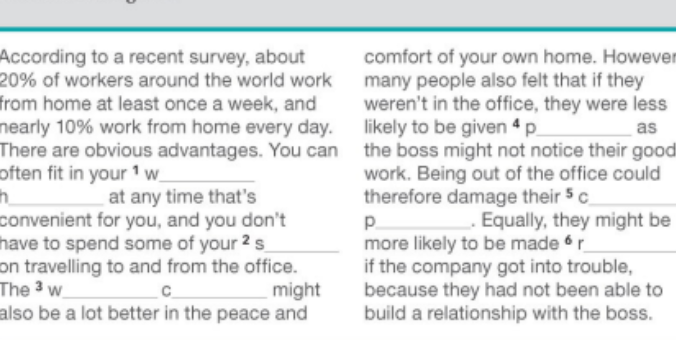
3a. Read the text and complete it with one word in each space. The first letter is given.
1 — working hours, 2 — salary, 3 — working conditions, 4 — promotion, 5 — career prospects, 6 — redundant
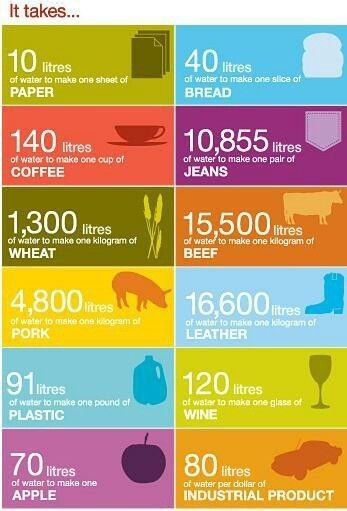
Թաքնված ջուրը կարևոր, բայց հաճախ անտեսված կողմն է շատ ապրանքների, որոնք մենք օգտագործում ենք ամեն օր: Մեր հագած հագուստից մինչև այն սնունդը, որը մենք ուտում ենք և էլեկտրոնիկան, որը մենք օգտագործում ենք, ջուրն անտեսանելիորեն ներառված է դրանց արտադրության գործընթացներում: Անկախ նրանից, թե դա մշակաբույսերի մշակումն է, ապրանքների արտադրությունը, թե անասնապահությունը, ջուրը վճռորոշ դեր է խաղում: Մեր թաքնված ջրի հետքը ճանաչելն ու նվազեցնելը կարևոր է կայունությունը և պատասխանատու սպառումը խթանելու համար:
Օգտվելով շատ աղբյուրներից ես հաշվեցի, որ մեկ ամսում իմ կերած ուտելիքի վրա ծախսվում է 44,000 լիտր ջուր: Նաև հաշվել եմ, որ ամսում 16,000 լիտր ջուր եմ ծախսում անձնական հիգիենայի վրա, իսկ խմելու վրա 90 լիտր: Նոր հագուստի վրա օգտագործվում է 14,000 լիտր: Պլաստիկի վրա ծախսվում է 110 լիտր, իսկ թղթի՝ 150:
Ահա օրինակ, թե ինչպես եմ հաշվել.
Ապրանքը ………………………………. Լիտր
հավ ………………………………………… 4325լ
տավար …………………………………… 7700լ
բրինձ ……………………………………… 2497լ
մակարոնեղեն …………………………. 1855լ
ձու …………………………………………. 1568լ
պանիր ……………………………………. 954լ
հաց ……………………………………….. 6432լ
կաթ ……………………………………….. 468լ
շոկոլադ ………………………………… 17196լ
միրգ ………………………………………. 425լ
Ընդհանուրը՝ 43,888լ
Ընդհանուր ինձ մոտ ստացվում է 74350 լիտր, որից 58,6% — ը ծախսվում է սննդի վրա, 22% — ը` անձնական հիգիենայի, 0,1% — ը` խմելու, 19% — ը`հագուստի, 0,3% — ը` այլ բաների վրա։
Այսինքն մեկ օրվա ընթացքում ես ծախսում եմ մոտ 2480լ, իսկ մեկ տարում՝ 892,200:
Destination B2 Questions slide 119, /theory/ ex-es A, B, C Navigate Reading The Festival of Errors slide71/ be ready to discuss in class
A. Choose the correct answer.
1. Oh, I’m sorry! Am I disturbing you? 2. Did Dorothy tell you about the meeting on Friday? 3. Was it hot when you were in Spain? 4. Tony, have you got time to call Mrs Roberts? 5. When your boss arrived, had you finished the report. 6. I know Jane’s pretty, but have you ever seen someone spend so much time in front of the mirror. 7. It’s raining, so will they cancel the concert? 8. Could you pass me the salt please? 9. Sir, can you repeat what the homework is, please? 10. Were the couple you met in France last year staying at the same hotel? 11. I know how to pronounce ‘controversy’, but what does it mean? 12. It’s a great idea, but do you think it will work?
B. Write the questions
1. Were you washing your hair when I rang? 2. Did Julie give you her e-mail address yesterday? 3. Do you always have lunch this late? 4. Will Jack and Tom come to the party tonight? 5. Can you give me a hand later? 6. How do you spell your name? 7. Why can’t the government can’t do something about the situation? 8. Where did you go for your honeymoon last year? 9. What will your house look like when it is finished? 10. Which flavour of ice cream is your favourite?
C. Complete using the words in the box. Use each word only once. There is one extra word you don’t need to use.
1. Whose 2. When 3. Who 4. Why 5. How 6. What 7. Which 8, Where
Navigate Grammar slide 149 ex 2, slide 150 ex-es 1,2,3
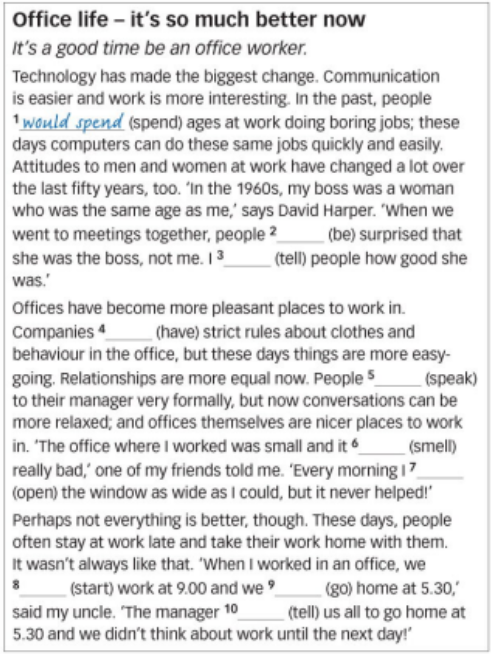
2. Complete the text using would orused to and the verbs in brackets. Use would where possible; only used to if would is not possible.
1. would spend 2. would be 3. used to tell 4. used to have 5. used to speak 6. used to smell 7. used to open 8. used to start 9. would go 10. used to tell
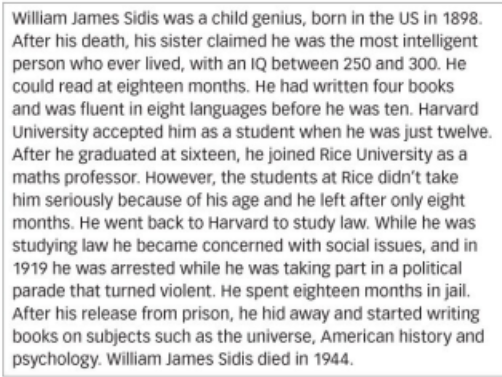
1. Read the text and then write the questions. There are both object and subject questions.
1. When was James Sidis born? In 1898. 2. Who told about James’s intelligence? His sister. 3. How much was James’s IQ? Between 250 and 300. 4. In which university did he get accepted? Harvard University. 5. What happened in 1919? He was arrested. 6. How much time did he spend in jail? Eighteen months. 7. When did James die? In 1944.
2. Urban free-climber Claudette Dubois has climbed up the outside of some of the tallest structures in the world, including the Eiffel Tower, Sydney Opera House and the Petronas Twin Towers. Rewrite the direct questions in this interview with Claudette as indirect questions. Begin with the words given.
1. How do you feel before you do a big climb? Could you tell me how you feel before you do a big climb? 2. When were you last truly scared? Would you tell me when you were last truly scared? 3. What did you want to be when you were growing up? I’d like to know what you wanted to be when you were growing up? 4. Is there anyone famous you’d like to meet? Could you tell me if there is anyone famous you’d like to meet? 5. How would you like to be remembered? I’d like to know how you would like to be remembered?
3. Match the questions in exercise 2 to answers a-e.
a. Just before my last climb. I always get scared. — 2 b. I feel very nervous, but quite calm at the same time. — 1 c. As a funny and disciplined person who liked tochallenge herself. — 5 d. Yes, Philippe Petit. I’ve always admired him. — 4 e. A Hollywood stuntwoman. — 3
Reading Teenage Social Media Millionaires Read the text , write down all the unknown words and be ready to discuss in class. Find other examples of high achievers or successful people and write on your blog, be ready to present.
Fraser Doherty: the 14-year-old ‘businessteen’
Unlike many young entrepreneurs who find success through popular websites, Fraser Doherty took a more traditional route to build his empire. His journey began at the age of 14 when he started making jams using his grandmother’s recipes in his parents’ kitchen in Scotland. By the time he was 16, he made the bold decision to leave school and dedicate himself fully to his jam business, SuperJam.
SuperJam has seen remarkable success, selling approximately 500,000 jars annually and capturing around 10 percent of the UK jam market. Doherty’s entrepreneurial venture has proved to be lucrative, with his stake in the business now valued at $1 to 2 million.
Fraser Doherty’s story is a testament to the power of traditional craftsmanship and determination in the business world. Despite the unconventional path he took, his commitment to quality and innovation has propelled him to great heights in the jam industry.