Raising social awareness: Genocide in Sudan

Since Sudan became independent in 1956, the country has faced repeated violence and instability. Over the years, more than 2.5 million people have been killed in different conflicts, including two long civil wars that eventually led to the creation of South Sudan in 2011. One of the darkest moments was the Darfur genocide from 2003 to 2005, when the Sudanese government under Omar al-Bashir, along with the Janjaweed militias, targeted non-Arab groups, killing over 200,000 people and forcing more than 2 million from their homes.
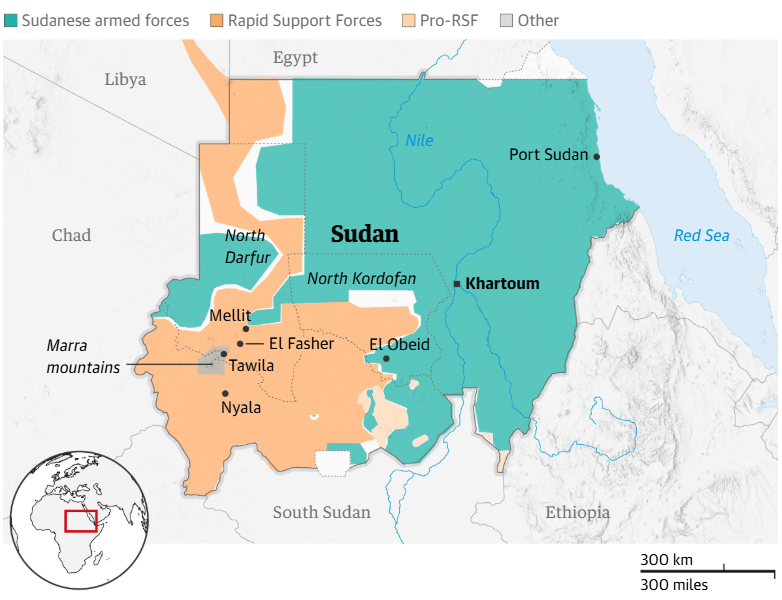
In 2019, al-Bashir was removed from power after being charged with genocide by the International Criminal Court. A transitional government took over, but it was overthrown in 2021 by the Sudanese Armed Forces (SAF) and the Rapid Support Forces (RSF), which grew out of the Janjaweed militias. Tensions between these two groups erupted into war in April 2023. Since then, more than 15,000 people have been killed, over 6 million displaced, and Darfur has again seen ethnically targeted violence by the RSF. In January 2025, U.S. Secretary of State Antony Blinken officially stated that the RSF and allied militias were committing genocide in Darfur.

In this project we want to spread awareness about this genocide, the causes, consequences and how people are dealing with it.

Causes

The Sudanese genocide, especially the tragedy in Darfur, began because of a complex mix of political, economic, and ethnic tensions. These causes built up over many years, involving not only internal conflicts but also foreign interests that made the situation worse. Understanding these reasons helps explain why such a terrible event occurred.
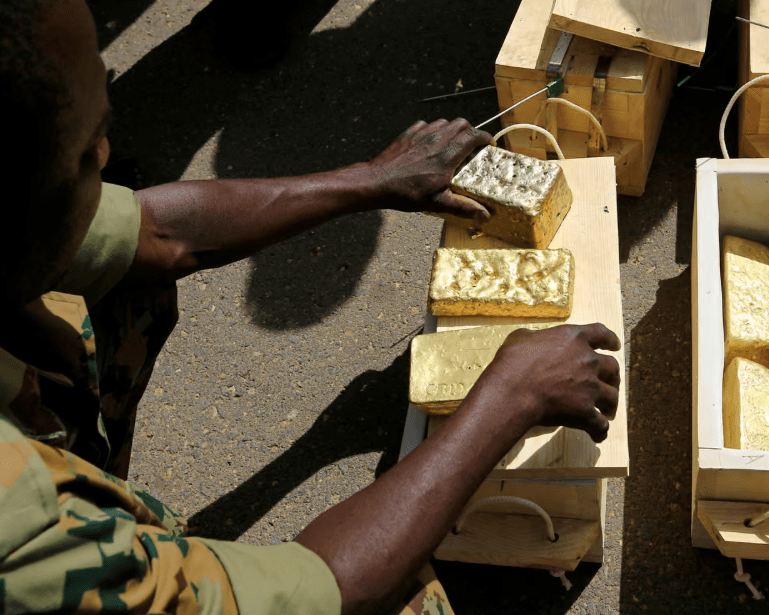
Gold has been a big reason for the war in Sudan. The Rapid Support Forces (RSF) are very involved in trading gold, but both sides in the conflict have smuggled and sold large amounts of gold to pay for their fighting. The UAE benefits a lot from this trade. In 2022, the UAE officially imported 39 tons of gold from Sudan, worth over $2 billion. But much more gold is smuggled through other countries like Chad, Egypt, Ethiopia, South Sudan, and Uganda before it ends up in the UAE. According to the United Nations, over 60 tons of Sudanese gold reached the UAE through these routes in 2022. The US State Department says the UAE gets almost all the gold Sudan exports.

The UAE is the biggest place in the world where gold from Africa is cleaned and sold legally. In 2022, about 405 tons of illegal gold from sub-Saharan Africa were smuggled into the UAE. Experts say that gold that is smuggled illegally becomes legal once it is sold in the UAE.

Another important factor was Sudan’s authoritarian government under President Omar al-Bashir. Bashir ruled with strict control and allied himself with Islamist groups to maintain power. Even though the United States and other countries imposed sanctions on his regime for human rights abuses, Gulf states continued to support Bashir financially. This support helped strengthen armed groups loyal to the government and allowed violent militias to grow unchecked.

A key element in the violence was the use of paramilitary groups, most notably the Janjaweed militias, which later became known as the Rapid Support Forces (RSF). The government armed and encouraged these groups to attack rebel forces and ethnic communities, especially non-Arab groups like the Fur, Masalit, and Zaghawa people. The Janjaweed’s brutal attacks, including killings, destruction of villages, and violence, turned the conflict into a genocide that devastated the region.

Many countries are not doing enough to help end the suffering in Sudan, and some are actually making the war worse. Egypt, Iran, and Turkey have been giving military support to the Sudanese Armed Forces (SAF), even though the SAF has carried out bombings, torture, and used starvation as a weapon. Russia first supported the Rapid Support Forces (RSF), a group with roots in the Janjaweed militias responsible for genocide in Darfur. But now Russia is trying to support both sides. In May, it made a deal with the SAF to build a Russian military base on the Red Sea in exchange for weapons.
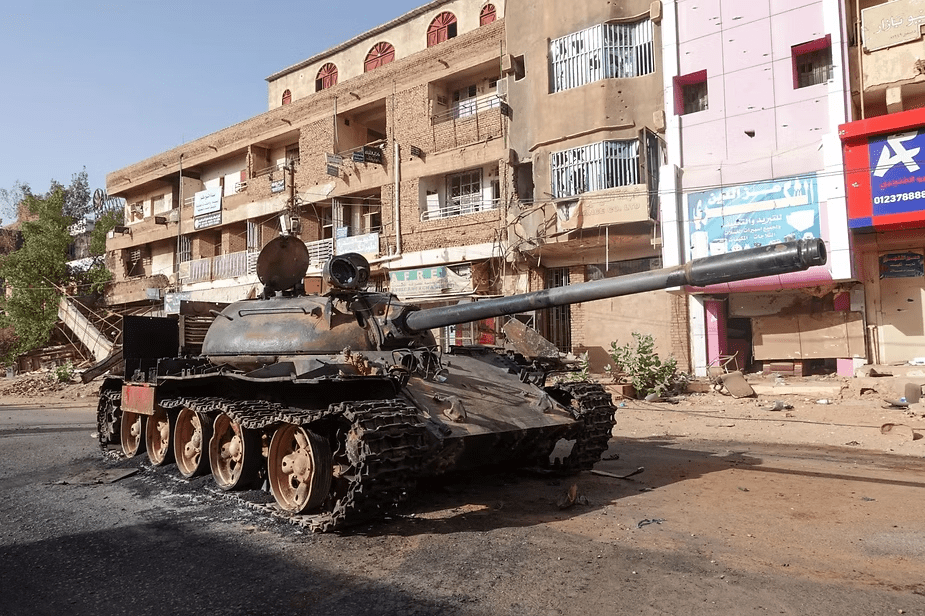
Saudi Arabia, which has long-standing ties to the SAF, also slowed down peace efforts for months.

It wasn’t until July that the United States convinced Saudi Arabia to restart talks, which will happen in August in Geneva.

The country most responsible for the starvation and ethnic cleansing, however, is the United Arab Emirates (UAE). While the RSF carries out genocidal attacks in Darfur and other areas, the UAE has been sending weapons to them. At the same time, corrupt companies smuggle Sudanese gold into the UAE, helping fund the conflict. Despite this, Western countries have been reluctant to pressure the UAE because of its oil wealth, its role in balancing Iran, and its involvement in diplomacy around the Gaza war.

Consequences

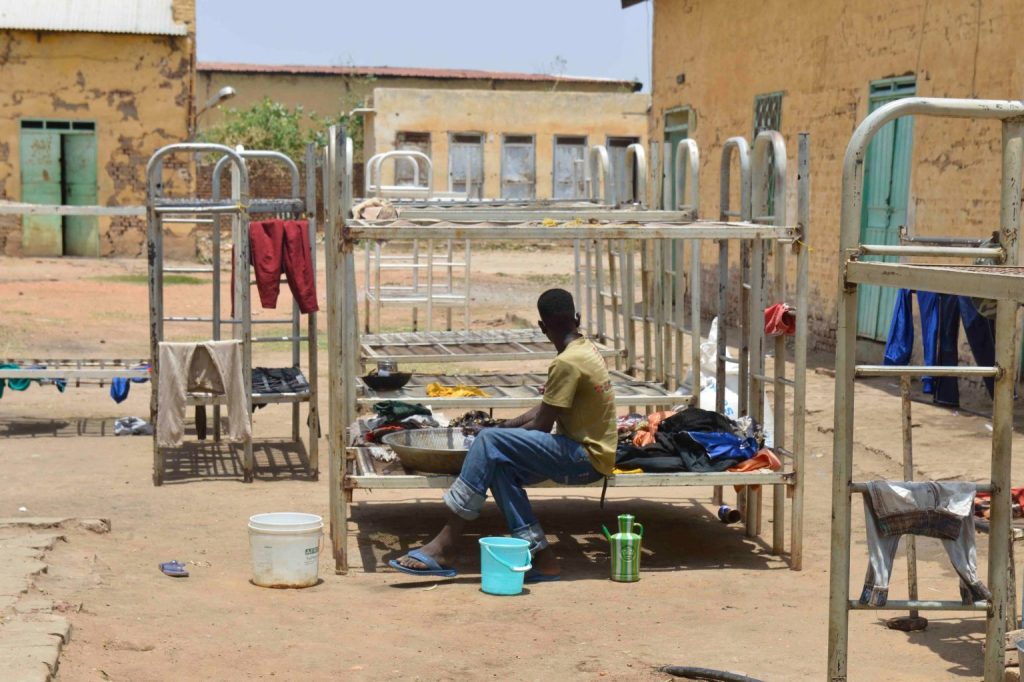
Since civil war erupted in April 2023, ten million Sudanese have fled their homes. One out of every eight internally displaced persons in the world is Sudanese, and more children have been displaced from their homes in Sudan than anywhere else.

The scale of this crisis and supply shortages across the country has created a situation where these displaced people are not only surviving without shelter, but are also lacking food, water and medicine.

However, many refugees have been arbitrarly detained and forcibly deported to the life-threatening dangers that they were trying to escape.

Sudan’s healthcare system is close to completely breaking down. Important services like vaccinations, nutrition programs, and emergency care have stopped or are barely working. Because of this, diseases such as cholera and dengue fever are spreading. Many hospitals have been attacked or taken over by armed groups, leading to destroyed buildings, injured health workers, and closed clinics. Since April 2023, there have been at least 284 attacks on healthcare. By the end of 2023, about 70% of health facilities in conflict areas were closed or only partly working. As a result, around 11 million people urgently need medical help.

Sudan already faced serious economic problems before the current conflict began in April 2023. Inflation was high, basic goods were expensive, and people protested across the country. Now the crisis is even worse: nearly half of all Sudanese people are unemployed, and the value of the Sudanese pound dropped by at least 50% in 2023. Markets and shops, especially in Khartoum, have been looted or damaged, making it hard for people to find food, supplies, or even cash. The banking system has also collapsed, leaving workers unpaid and families dependent on digital payments that often fail during internet and communication blackouts. Inflation keeps rising, and the economy is expected to shrink.

Sudan is becoming the world’s biggest hunger crisis. Famine has already been declared in several areas, including Darfur and the Nuba region. More than 26 million people are struggling to find enough food because the fighting between the SAF and RSF has stopped farming, damaged trade, and blocked aid from reaching those who need it.

By the end of 2023, at least 435 children had been killed in the conflict. About 14 million children now need urgent help. Many lack clean water, and 2 million have missed important vaccines. Three million children under five are suffering from acute malnutrition, meaning they are not getting enough food to survive or grow. Without treatment, 700,000 children could die. Around 19 million children (one-third of all children in Sudan) are out of school. This puts them at high risk of violence, exploitation, or being forced into child soldier recruitment. Children who are alone or living in extreme poverty are especially vulnerable.

Even with famine spreading, both the SAF and RSF continue to block humanitarian aid. Groups like the World Food Programme say they cannot reach about 90% of people who urgently need food.

Among the millions displaced inside Sudan, more than 1.5 million are women and girls of reproductive age, and over 105,000 are pregnant. Reports of gender-based violence have sharply increased. These include kidnapping, forced marriage, domestic violence, child marriage linked to the conflict. Because aid groups struggle to reach affected areas, women and girls often cannot access medical care, protection services, or maternal health support. This leaves them without the help they desperately need.

Regulations

Between 2020 and 2022, international groups pressured the UAE to improve controls on gold trading and money laundering. The UAE made some changes, like checking gold refiners more closely. But there are still big problems, especially in local gold markets where gold is bought and sold for cash without clear records.

Stronger actions are needed to stop the illegal gold trade. Groups like the London Bullion Market Association and governments should push the UAE to allow independent checks on gold markets, like the Kimberley Process does for diamonds. Without this, local changes won’t stop the trade in conflict gold.

The US and European Union should also put more sanctions on companies that buy and sell gold linked to the conflict in Sudan. In June, the US blocked seven Emirati companies from using the US financial system because they were suspected of breaking Sudan sanctions. This is a good step, but more sanctions are needed to target all companies and people involved in smuggling gold from Sudan. Because these companies often change names and use fake owners, sanctions must be broad and strong to work.

The ongoing civil war has caused one of the world’s worst humanitarian catastrophes and diplomatic efforts to bring the conflict to an end have failed.

The first attempts to agree on short pauses in fighting and humanitarian corridors were made back in April 2023. In May that year, with U.S. help, talks began in Jeddah (Saudi Arabia) to create short humanitarian ceasefires, but because both sides distrusted each other, the agreements kept failing, and two rounds of talks ended without success.

In July 2024, new talks started in Geneva, but they focused mostly on humanitarian issues and protecting civilians. In August 2024, the U.S. again helped organize talks in Geneva between the RSF and the army, but Sudan’s military leadership refused to attend.

In January 2025, the U.S. placed sanctions on Hemedti and al-Burhan.

On September 12, 2025, after months of four-party talks involving the U.S., Saudi Arabia, Egypt, and the UAE, a roadmap for peace was agreed on. It included a three-month humanitarian ceasefire to restart negotiations. However, Abdel Fattah al-Burhan rejected the plan, and Hemedti ignored it.

Even though there have been many attempts to end the fighting — with help from the U.S., Saudi Arabia, Egypt, the UAE, and international organizations — real progress has not been made. The Sudanese sides continue to reject or ignore peace plans, and trust between them is almost gone.

What makes the situation worse is that many countries around the world barely pay attention to this conflict anymore. As global focus shifts to other crises, Sudan receives less support, and fewer resources. Because of this lack of attention, the violence continues, civilians keep suffering, and the chances for peace grow smaller.

Without stronger international involvement and real political pressure, it will be extremely difficult to stop the fighting and protect the people of Sudan.

Sources 1, 2, 3, 4, 5, 6, 7

Սնկեր

Սնկերը մի ժամանակ համարվում էին բույսերի թագավորության մաս, բայց այժմ ճանաչվում են որպես առանձին՝ կառուցվածքի, ֆիզիոլոգիայի և սննդային ռեժիմների հիմնական տարբերությունների պատճառով: Բույսերից տարբերվող սնկերը չունեն քլորոֆիլ և չեն ֆոտոսինթեզում: Դրա փոխարեն, նրանք սննդանյութեր են ստանում՝ արտաքինից մարսելով օրգանական նյութը և այն կլանելով իրենց միցելիում: Նրանք նաև կենդանիներ չեն, քանի որ կենդանիները սնունդը կլանում են ներքին միջավայրում, մինչդեռ սնկերը մարսողական ֆերմենտներ են արտազատում իրենց մարմիններից դուրս, ապա կլանում քայքայված սննդանյութերը:

Մի քանի հիմնական առանձնահատկություններ օգնում են սահմանել բոլոր սնկերը: Դրանց բջջային պատերը պարունակում են քիտին՝ կոշտ պոլիմեր, որը հանդիպում է նաև միջատների էկզոկմախքում, որը հստակորեն տարբերակում է դրանք բույսերից, որոնց բջջային պատերը կազմված են ցելյուլոզից: Սնկերը նաև աճում են թելանման կառուցվածքների միջոցով, որոնք ճյուղավորվում և կազմում են միցելիում անունով ցանց՝ օրգանիզմի իրական «մարմինը»: Նրանք բազմանում են սպորների միջոցով, որոնք կարող են տարածվել օդի, ջրի կամ կենդանի տերերի միջոցով, թույլ տալով սնկերին գաղութացնել բազմաթիվ տարբեր միջավայրեր: Որպես սապրոտրոֆներ, սնկերը քայքայում են մեռած բույսերը, կենդանիները և օրգանական թափոնները, դարձնելով դրանք անհրաժեշտ էկոհամակարգերում սննդանյութերի վերամշակման համար:

Այս ունակությունների շնորհիվ սնկերը կարևոր էկոլոգիական դեր են խաղում։ Առանց դրանց կմնային մեռած նյութերը, և կենսականորեն կարևոր սննդարար նյութերը, ինչպիսիք են ածխածինը և ազոտը, կմնային թակարդում, այլ ոչ թե կվերադառնային հող։ Սնկերը նաև փոխադարձ հարաբերություններ են հաստատում բույսերի հետ, ինչպիսիք են միկորիզաները, որտեղ սնկային հիֆերը օգնում են արմատներին կլանել ջուրը և հանքանյութերը։ Միևնույն ժամանակ, որոշ սնկեր գործում են որպես հարուցիչներ՝ առաջացնելով հիվանդություններ բույսերի, կենդանիների և մարդկանց մոտ։ Այս կրկնակի դերը՝ օգտակար և վնասակար, սնկերը դարձնում է մոլորակի վրա օրգանիզմների ամենաազդեցիկ խմբերից մեկը։

Հայոց լեզվի փոփոխությունները ժամանակի ընթացքում

Լեզուն ժողովրդի մշակույթի և ավանդույթների մեծ մասն է կազմում: Այն օգնում է պահպանել մեր պատմությունը և ինքնությունը: Իմ կարծիքով լեզուն պետք է անընդհատ փոխվի, հարմարվի աշխարհին և դրա զարգացվածությանը, որովհետև առանց դրա այն չի օգտագործվի և կարող է վերանալ: Դրա ընթացքում որոշ բառեր կարող են նաև հին դառնալ և այլևս չօգտագործվել, բայց ես չեմ կարծում, որ դա վատ է: Լեզուն պետք է փոխվի՝ մարդկանց և ընդհանրապես աշխարհին համապատասխան լինելու համար: Դրանք հիշեցնում են, թե որտեղից է գալիս լեզուն և ինչ ճանապարհ է անցել։

Հայերենը համարվում է աշխարհի ամենահին և ինքնատիպ լեզուներից մեկը։ Նրա ձևավորումը սերտորեն կապված է հայ ժողովրդի կազմավորման հետ և գալիս է դեռ շատ հին ժամանակներից։ Տարբեր պատմական աղբյուրներ՝ հատկապես խեթական և ասուրաբաբելական արձանագրությունները, վկայում են, որ հայերը որպես ցեղային խմբեր Հայկական լեռնաշխարհում ապրել են մ.թ.ա. երրորդ հազարամյակից։ Սակայն որպես միավորված ժողովուրդ՝ իրենց ինքնությամբ և պետությամբ, հայերը ձևավորվել են մ.թ.ա. 8-7-րդ դարերում։ Այդ շրջանում ստեղծվել էին նպաստավոր պայմաններ, և նախահայկական ցեղերն ու ցեղային միությունները միավորվելով՝ ստեղծեցին պետականություն ու կազմավորեցին հայ ժողովրդին։

Հայերենը անցել է շատ երկար ու հարուստ պատմական ճանապարհ՝ մոտ հինգ-վեց հազար տարի։ Մ.թ.ա. երրորդ հազարամյակի սկզբներին այն առանձնացել է հնդեվրոպական լեզվական ընտանիքից և սկսել իր անկախ գոյությունը։ Քանի որ հայերենը կենդանի լեզու է՝ այն շարունակաբար փոփոխվել և զարգացել է։ Դրա վրա ազդել են ինչպես ներքին զարգացումները, այնպես էլ տարբեր ժողովուրդների ու մշակույթների հետ շփումները։ Հայ ժողովրդի կազմավորման ընթացքում նրա լեզուն ձևավորվել է նաև տարբեր ցեղերի ու ժողովուրդների՝ խեթերի, խուռիների, ուրարտացիների և այլոց լեզուների ազդեցությամբ։ Հետագայում հայերենը հարստացել է նաև տարբեր լեզուներից կատարված փոխառություններով։

405 թվականը հայերենի պատմության մեջ առանձնահատուկ սահմանագիծ է, քանի որ այդ թվականին Մեսրոպ Մաշտոցը ստեղծեց հայոց գրերը։ Դրանից հետո սկսվեց հայերենի գրավոր զարգացման շրջանը, որը սովորաբար բաժանվում է երեք հիմնական փուլերի՝ Հին, Միջին և Նոր հայերեն։

Հին հայերենը, որը հայտնի է «գրաբար» անվամբ, ձևավորվել է Տուրուբերանի, Բարձր Հայքի և Այրարատի խոսվածքների հիման վրա։ Այն ընդգրկում է 5-11-րդ դարերի ժամանակահատվածը։ Գրաբարը սկզբում եղել է և՛ գրական, և՛ խոսակցական լեզու, սակայն մոտ 9-րդ դարից այն աստիճանաբար դուրս է եկել ամենօրյա օգտագործումից և պահպանվել հիմնականում գրավոր գրականության մեջ։

Միջին հայերենը (12-17-րդ դարեր) եղել է այն ժամանակաշրջանի և՛ գրական, և՛ խոսակցական լեզուն։ Այս փուլում լեզուն դեռ ամբողջությամբ նորմավորված չէր և ուներ տարբեր գրական տարբերակներ՝ կախված տարածաշրջաններից։ Այդ շրջանում Հայաստանում և հայկական գաղթօջախներում գործածվում էին միջին հայերենի մի քանի ձևեր, որոնցից առավել հայտնի էր Կիլիկյան հայերենը։ Կիլիկիայի թագավորության անկումից հետո միջին հայերենը աստիճանաբար սկսեց փոխվել՝ ճանապարհ հարթելով նոր՝ աշխարհաբար հայերենի ձևավորման համար։

Նոր հայերենը կամ աշխարհաբարը ձևավորվել է 17-րդ դարում և օգտագործվում է մինչև մեր օրերը։ Թեպետ աշխարհաբարի հնագույն նմուշը համարվում է Բջնիի 1358 թվականի արձանագրությունը, իսկական ձևավորման շրջանը համարվում է 17-րդ դարը, երբ արդեն այս լեզվով ստեղծվում էին տարբեր գրավոր հուշարձաններ։ Սկզբում աշխարհաբարը միավորող էր՝ նույնը և՛ արևելահայերի, և՛ արևմտահայերի համար։ Սակայն ժամանակի ընթացքում, տարբեր բարբառների ազդեցությամբ, այն բաժանվեց երկու հիմնական տարբերակի՝ արևելահայ և արևմտահայ։

Ժամանակի ընթացքում լեզուն անընդհատ փոխվում է։ Որոշ բառեր ու արտահայտություններ դադարում են օգտագործվել՝ դառնալով հնաբանություններ։ Դրանք կարող են լինել հին բառեր կամ քերականական ձևեր, որոնք դուրս են եկել գործածությունից (օրինակ՝ սեպուհ, նախարար, գահասրահ)։ Սակայն երբեմն հնաբանությունները կարող են կրկին գործածվել՝ հատկապես գրականության մեջ՝ տալով ոճական կամ պատմական երանգ։

Ի տարբերություն դրանց, նորաբանությունները այն բառերն ու արտահայտություններն են, որոնք առաջանում են ժամանակակից կյանքի նոր երևույթները անվանելու համար։ Դրանք կարող են լինել ինչպես նորաստեղծ բառեր, այնպես էլ հին բառեր՝ նոր իմաստներով։ Օրինակ՝ մեր օրերում տարածված բառեր, ինչպիսիք են համակարգիչ, բջջային, ինտերնետ, ժամանակին հենց նորաբանություններ են եղել։ Երբ դրանք լայնորեն տարածվում են, այլևս չեն դիտվում որպես նոր բառեր։

Այս ամենը ցույց է տալիս, որ հայերենը մշտապես զարգացող, հարմարվող և կենդանի լեզու է։ Այն կարողացել է պահպանել իր ինքնությունը դարերի ընթացքում՝ միաժամանակ ընդունելով փոփոխությունները և քայլելով իր ժողովրդի հետ նույն ուղիով։

Առակագրություն

Առակագրությունը գեղարվեստական գրականության ամենահին ճյուղերից մեկն է։ Այն բարոյախոսական բնույթի գրական ստեղծագործություն է, որտեղ մարդկային վարքն ու բնավորությունը ներկայացվում են այլաբանության, կերպարների և խորհրդանշական պատմությունների միջոցով։ Առակների միջոցով հաճախ ծաղրվում ու քննադատվում են մարդկային արատները՝ եսասիրությունը, կեղծավորությունը, ծուլությունը, գոռոզությունը, և միևնույն ժամանակ գովաբանվում են բարին, ազնվությունը, խիզախությունը և արդարությունը։

Հին հունական գրականության մեջ առակագրության ամենահայտնի դեմքը համարվում է Եզոպոսը՝ բազմիմաստ ու խրատական պատմությունների հեղինակ, որոնց կերպարներն այսօր էլ կենդանի են աշխարհի գրականության մեջ։ Հայերենում առակագրությունը սկիզբ է առել թարգմանական ստեղծագործություններից։ Դրանցից գլխավորներն են «Բարվախոս» («Բարոյախոս») և «Ոլիմպիանի (Ողոմպիանի) առակներ» ժողովածուները, որոնք հունարենից հայերեն են թարգմանվել դեռևս V–VII դարերում։ Հայկական ինքնուրույն առակագրությունը ձևավորվել է XII դարում:

Այս շրջանի գլխավոր ներկայացուցիչներն են Մխիթար Գոշը և Վարդան Այգեկցին։ Մխիթար Գոշը, ով հայտնի է նաև որպես իրավագետ և հասարակական գործիչ, գրել է ավելի քան տաս աշխատություն, որոնց մեջ առանձնանում են նրա «Առակները»՝ հրատարակված 1790 թվականին։ Գոշի առակները նոր խոսք էին իրենց ժամանակի գրականության մեջ․ դրանք անդրադառնում էին սոցիալական հարցերին, մարդկային բարքերին ու հասարակական անարդարություններին։ Հեղինակը գովերգում էր բարին, աշխատանքը, ազնվությունը և խստորեն դատապարտում էր կեղծիքը, անգործությունը և անհավատարմությունը։

Վարդան Այգեկցին հայ միջնադարյան հոգևոր գրականության ամենաբազմագործուն հեղինակներից մեկն է։ Նրա գործերում հնչում է բարոյական մաքրության, սիրո և համերաշխության կոչը։ Այգեկցին գրել է բազմաթիվ քարոզներ ու պատմություններ, որոնցում պայքարում էր դրամասիրության, գողության, ամբարտավանության, ոխակալության, որկրամոլության և հարբեցողության դեմ։ Ասելիքը ավելի մատչելի ու կենդանի դարձնելու համար նա հաճախ իր քարոզները համեմում էր սեփական հորինած կամ ժողովրդական առակներով։ Հայ գրականության մեջ պահպանվել են նրա ավելի քան 30 առակներ, որոնք հիմք են դարձել հետագա դարերի բազմաթիվ գրողների ստեղծագործությունների համար։

Հայ առակագրության ժառանգության մեջ հիշատակվում են նաև Ներսես Շնորհալու հանելուկները, որոնք ձեռագրերում երբեմն անվանվում են առակներ։ Բացի այդ, տարածված են եղել անանուն ժողովածուներ՝ «Վարդանյան ժողովածուներ» անվամբ, որոնց ամենահայտնի տարբերակը հայտնի է «Աղվեսագիրք» անունով։ Առակի ժանրը շարունակել է ապրել նաև նորագույն հայ գրականության մեջ․ խրատական պատմություններ են գրել Խաչատուր Աբովյանը, Ղազարոս Աղայանը, Ավետիք Իսահակյանը և ուրիշներ։

20-րդ դարում առակագրության ժանրը նոր շունչ ստացավ՝ ՀԽՍՀ տարիների գրականության մեջ։ Այդ ժամանակ առանձնանում են Խնկո-Ապերը, Ա. Դարբնին և Ս. Կորյունը՝ յուրաքանչյուրն իր յուրահատուկ ոճով՝ պահպանելով ժանրի դասական ոգին և փոխանցելով այն ժամանակակից ընթերցողին։

Առակագրությունը, լինելով խրատական, բայց նաև գեղարվեստական ժանր, շարունակում է մնալ արժեքավոր միջոց՝ մարդու բարոյական նկարագիրը բացահայտելու և հասարակության բարոյական առողջությանը ծառայելու գործում։

Աղբյուրներ՝ 1, 2, 3, 4, 5

Հայոց լեզու Շտեմարան I Ձևաբանություն

10. 1. հակինթաշարեր, լապտերավառեր, կողմացույցներ, նավթամուղներ
11. 3. աստղագետներ, ոտնաձայններ, որմնասյուներ, արծվաբներ
12. 2. նռներ, հորաքույրեր, փոստարկղեր, գառներ
13. 4. իրար, օրվա, տիկնոջ, թառմայի
14. 3. ձիուց, պատարագից, գոտուց, մարդուց
15. 2. մարդուց, գինուց, ամուսնուց, այգուց
16. 3. անուն, պատմություն, մեջբերում, կատարում
17. 4. փոթորիկ, առու, վայրկյան, սարդ

Assignments for 30.09.25

NEF Grammar slide 143, 2a, b, c

a. Circle the right pronoun. Tick if both are possible.

  1. One/You can often tell where people are from by the way they speak.
  2. Can you put my case on the rack above you?
  3. Sally and her sister look incredibly like each other/one another. Are they twins?
  4. Steve’s a really private person and he rarely talks about himself.
  5. Either Suzie or Mark has left their bag behind, because there’s only one in the back of the car.
  6. When a person goes to live abroad it may take them a while to pick up the language.
  7. They say that eating tomatoes can help protect the body against certain diseases.

b. Complete with a pronoun.

  1. If anyone has not yet paid their course fees, they should go to registration immediately.
  2. Isabel is very quick-tempered. She finds it very hard to control herself.
  3. I wouldn’t stay in that hotel — they say the rooms are tiny and service is awful.
  4. There is a total lack of communication between them. They don’t understand eachother at all.
  5. Did they enjoy themselves at the festival?
  6. Are you going to have the flat repainted or will you and Jo do it yourselves?
  7. It’s always the same with taxis. One can never find one when they need one!

c. Complete with it or there.

  1. It’s illegal to use a handheld mobile while you’re driving. There used to be a lot of accidents caused by this.
  2. Look. There’s a spelling mistake in this word. It should be j, not g.
  3. How many miles is it to Manchester from here?
  4. There’s scorching today. It must be at least 35 degrees.
  5. There’s no need to hurry. The train doesn’t leave for ages.
  6. It’s not worth buying the paper today. There’s absolutely nothing interesting in it.

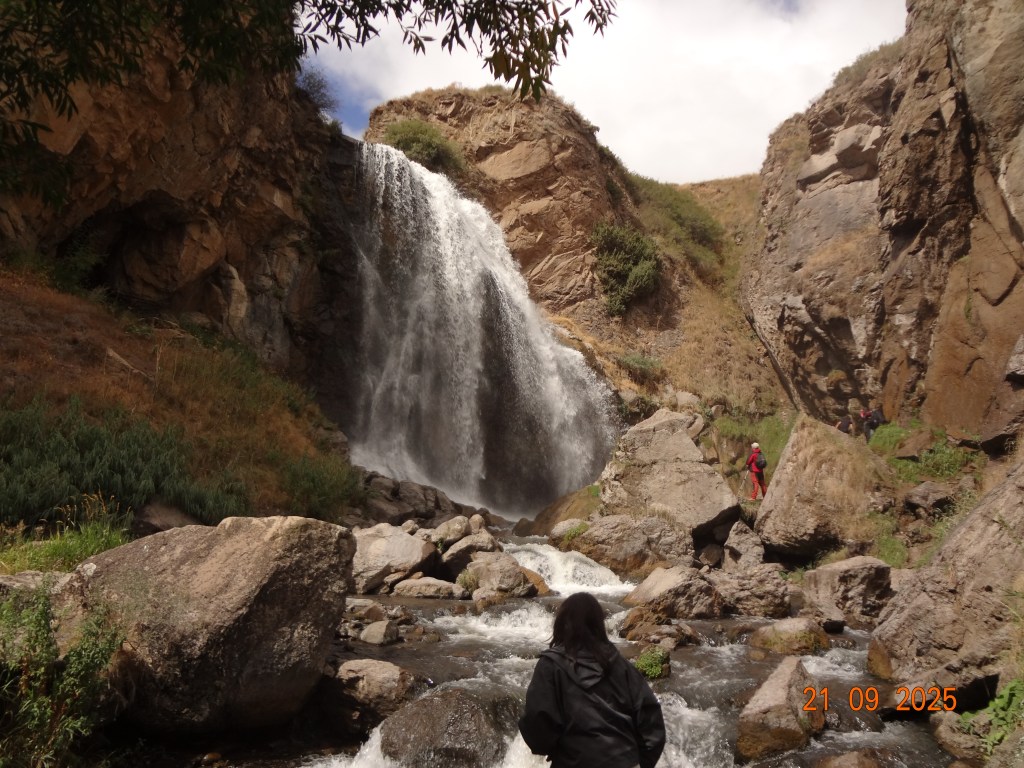
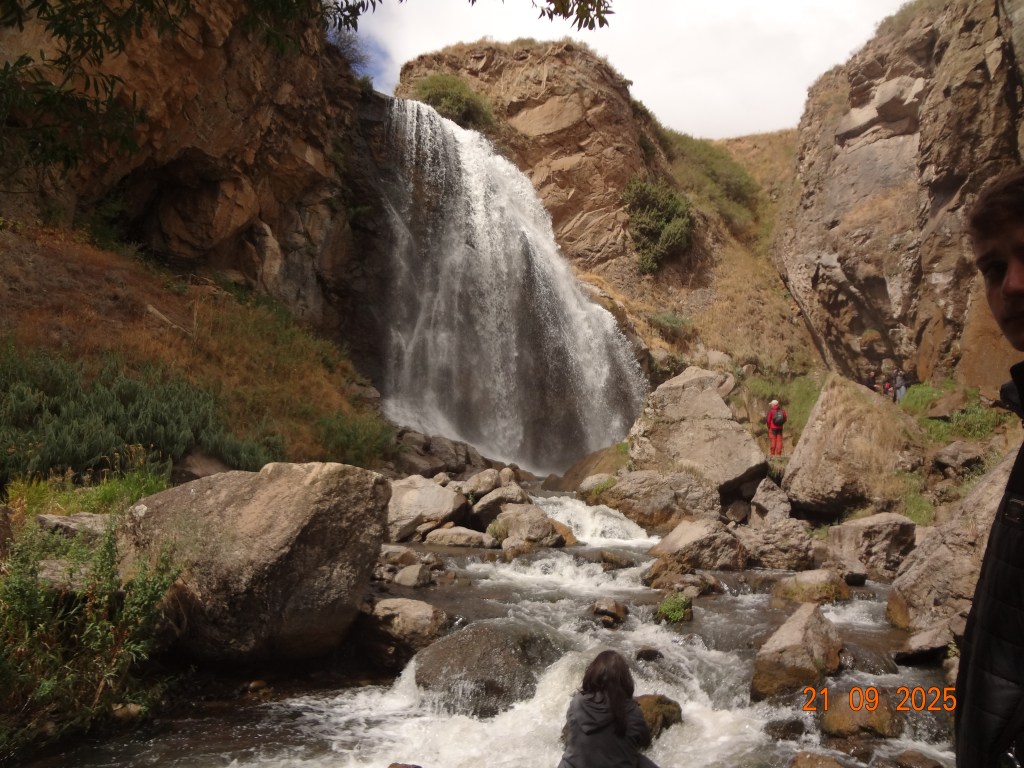
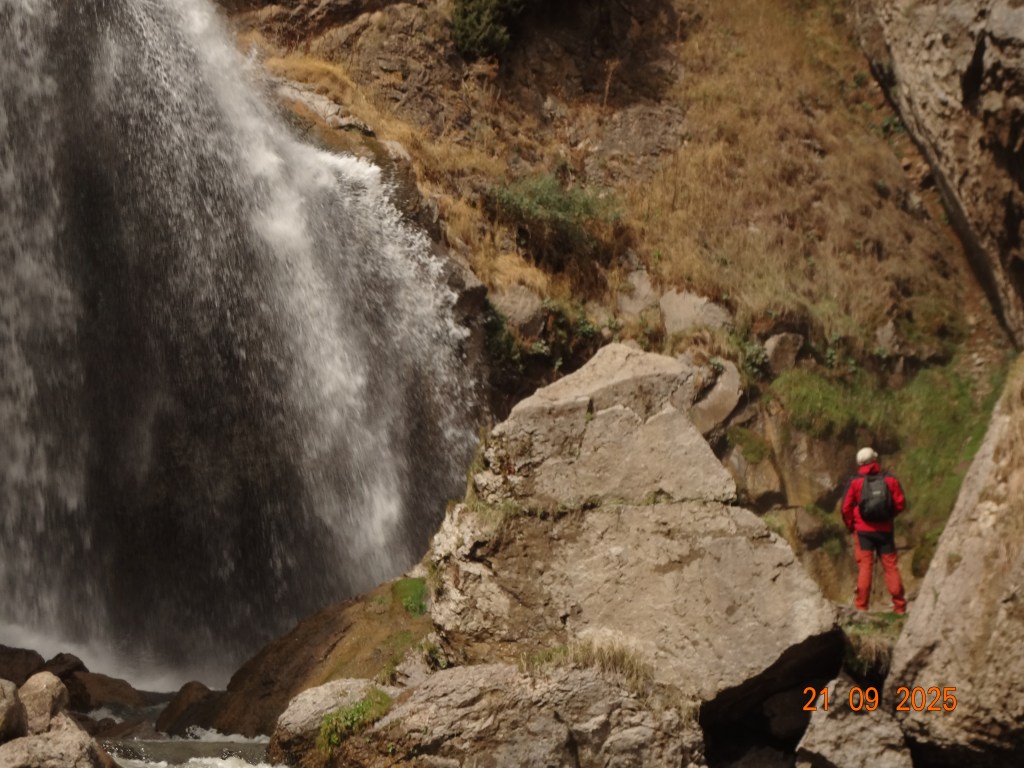
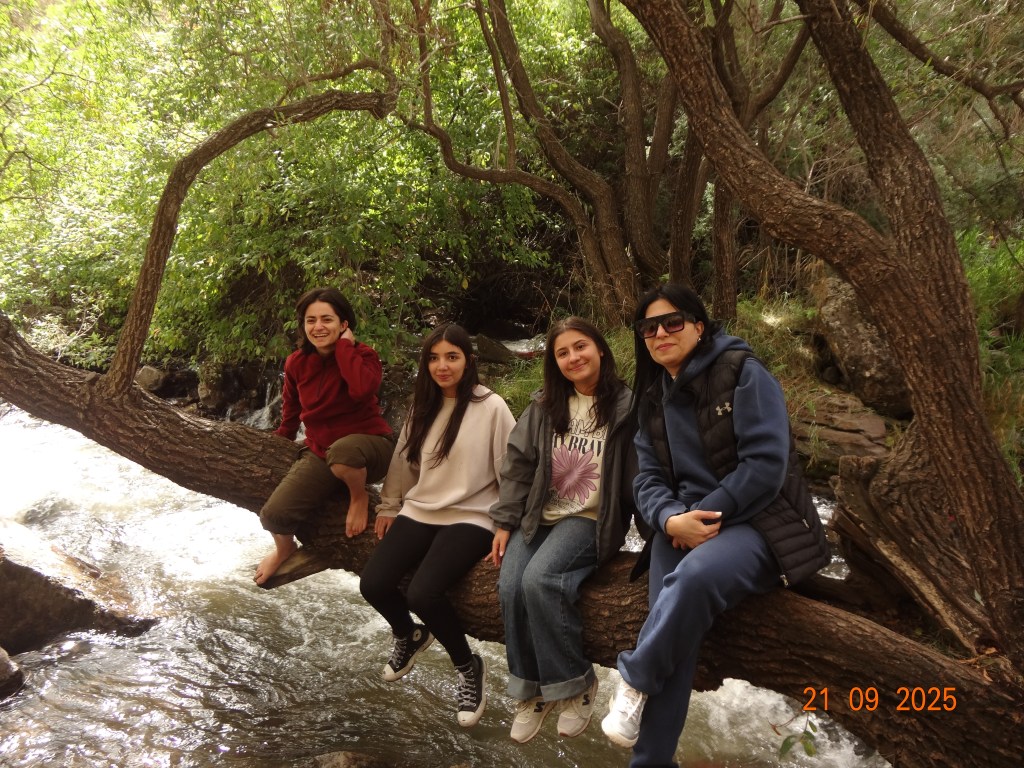
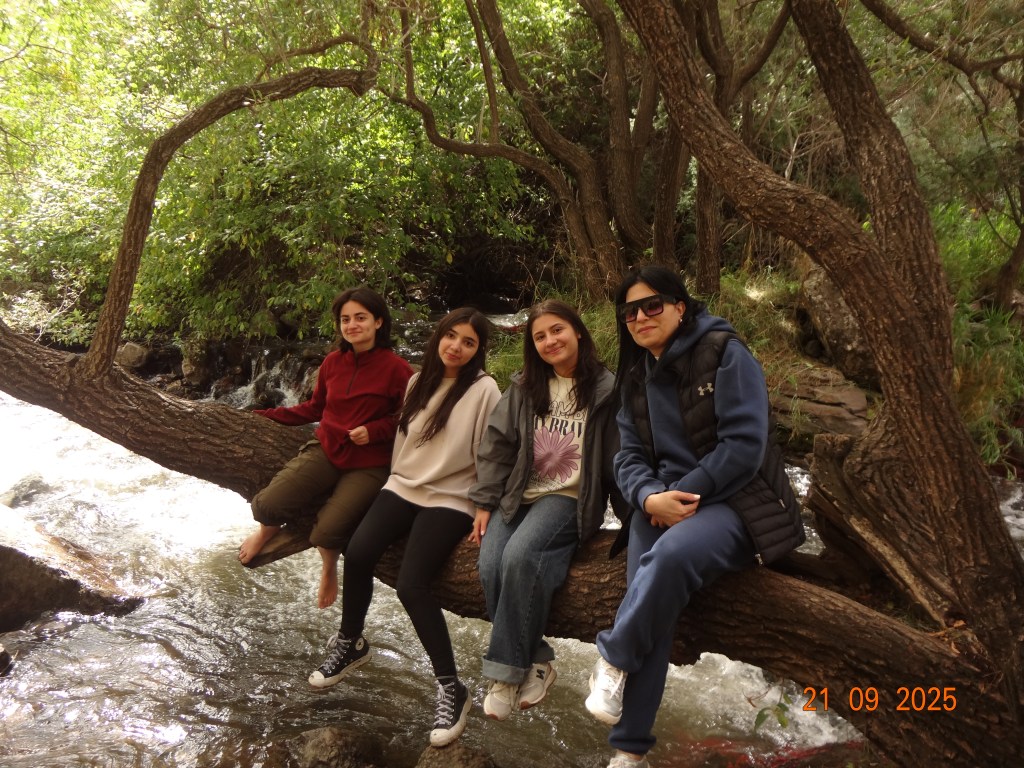
Ճամփորդություն դեպի Թռչկանի ջրվեճ

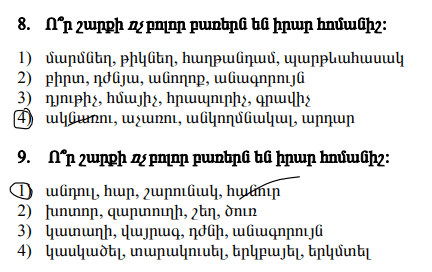
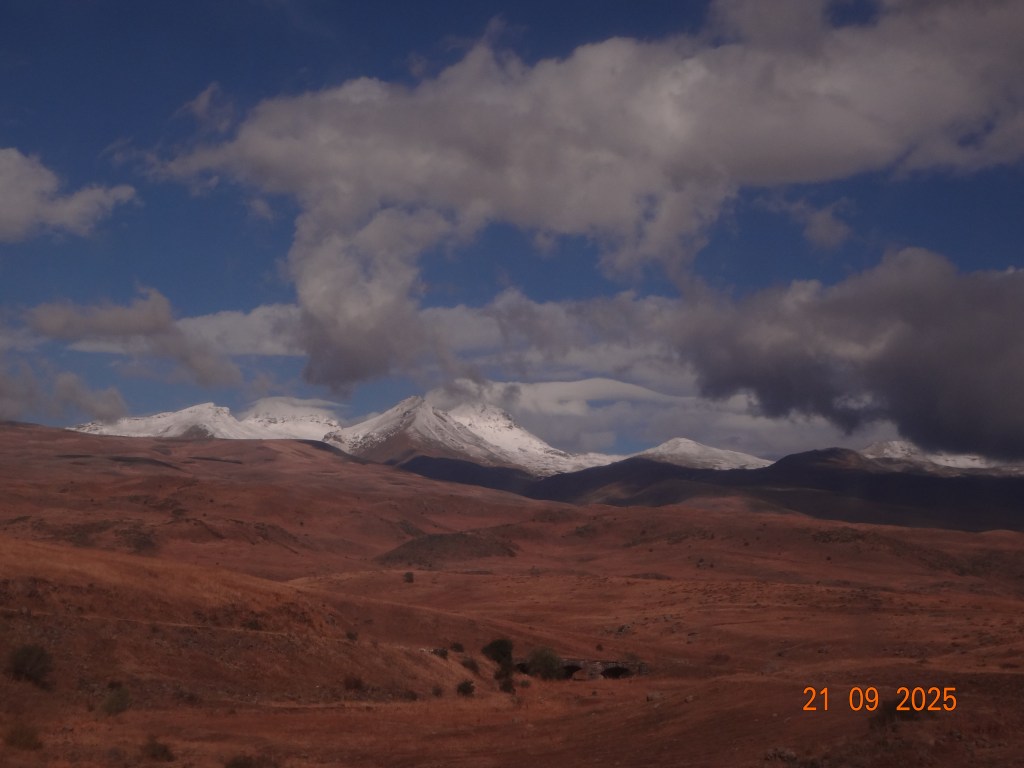
Սեպտեմբերի 21-ին միսս Իրինայի հետ ուղևորվեցինք դեպի Թռչկանի ջրվեժ։ Առավոտյան հավաքվել էինք եկեղեցու մոտ, որտեղ արդեն հավաքված էին նաև այլ խմբեր, որոնք պատրաստվում էին ճամփորդության՝ նշելու Ազատության օրը։ Ճանապարհը տևեց մոտ երկու ժամ։ Դրանից հետո բարձրացանք բեռնատարի հետևը և շարժվեցինք։ Ճիշտն ասած, բեռնատարով անցած այդ ճանապարհն ամենահիշվող պահերից էր․ կանգնած էինք, իսկ ամեն փոսի ժամանակ մեքենան ուժեղ տատանվում էր, ինչն էլ մեզ ծիծաղեցնում էր։

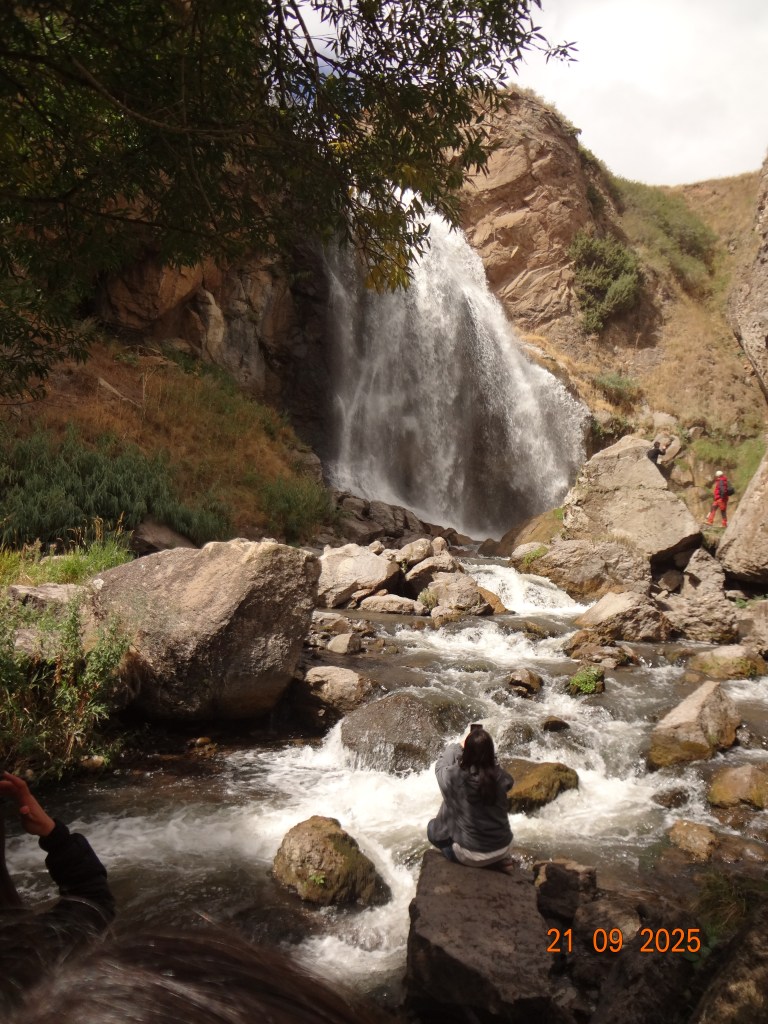
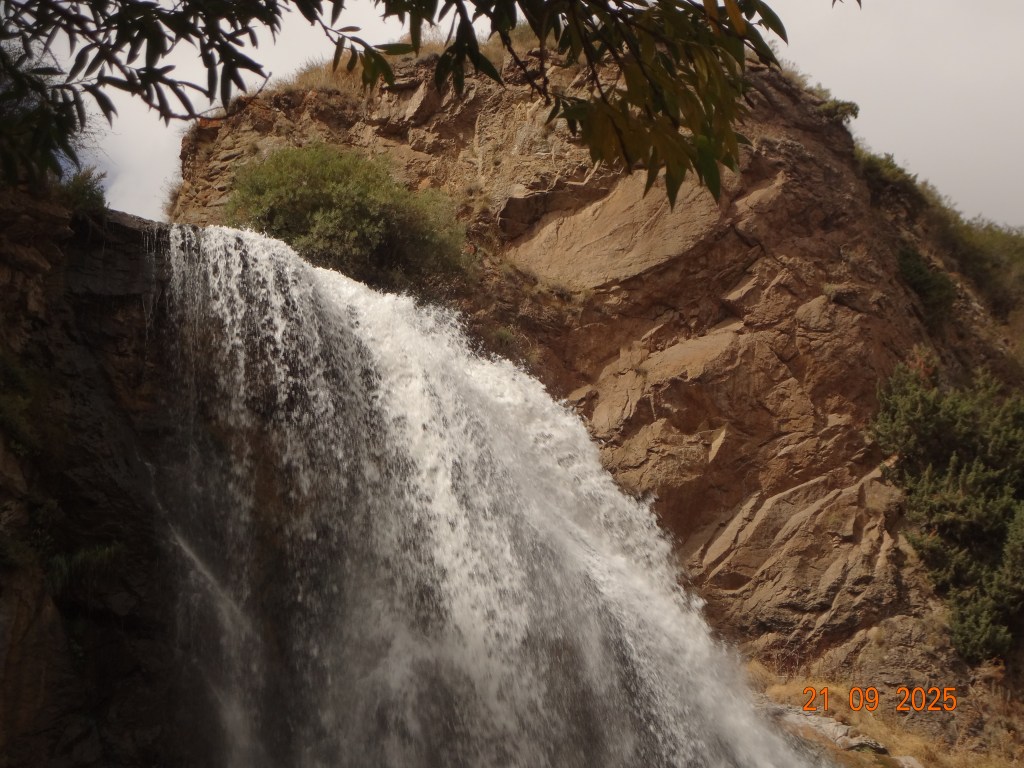
Երբ հասանք Թռչկանի մոտ, մեր առջև ևս մեկ դժվարություն կար՝ քարերի վրայով գետի միջով անցնելը։ Դա մի փոքր վախենալու էր, և նույնիսկ մի քիչ թրջվեցինք։ Հասանք բաց տարածք, որտեղ հանգստացանք, սնվեցինք ու շարունակեցինք ճանապարհը՝ նորից անցնելով ջրի միջով։ Հետո արդեն քարերով ու ցեխոտ արահետով բարձրացանք վերև, մինչև վերջապես հասանք ջրվեժին։ Այն շատ գեղեցիկ էր։

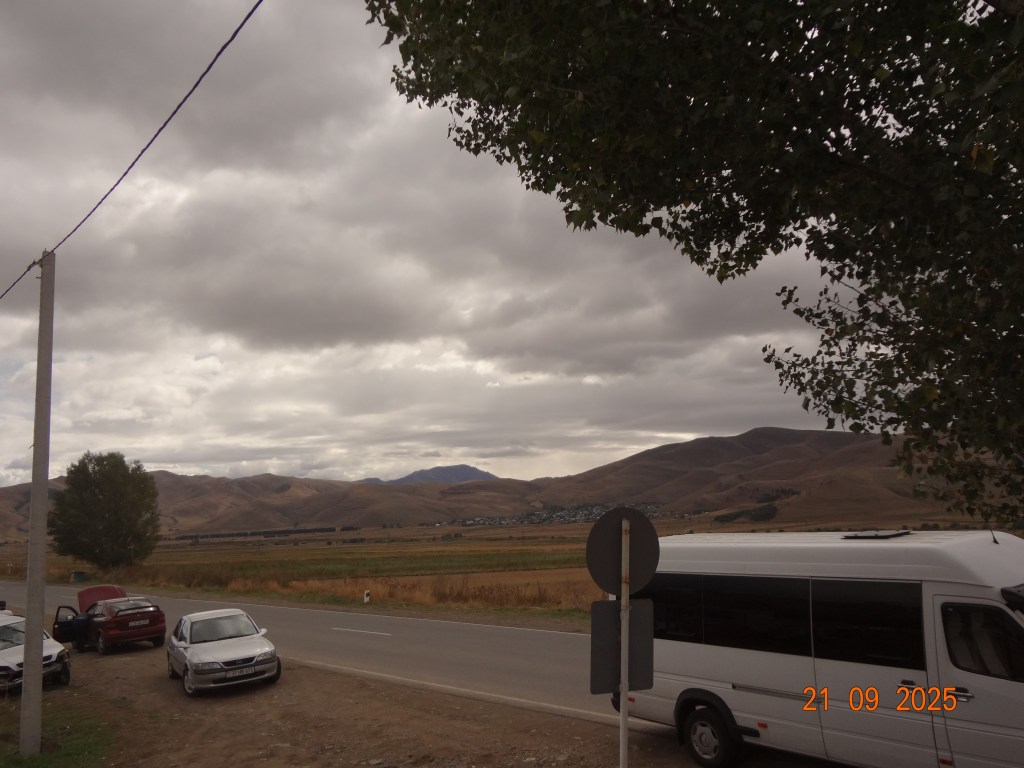
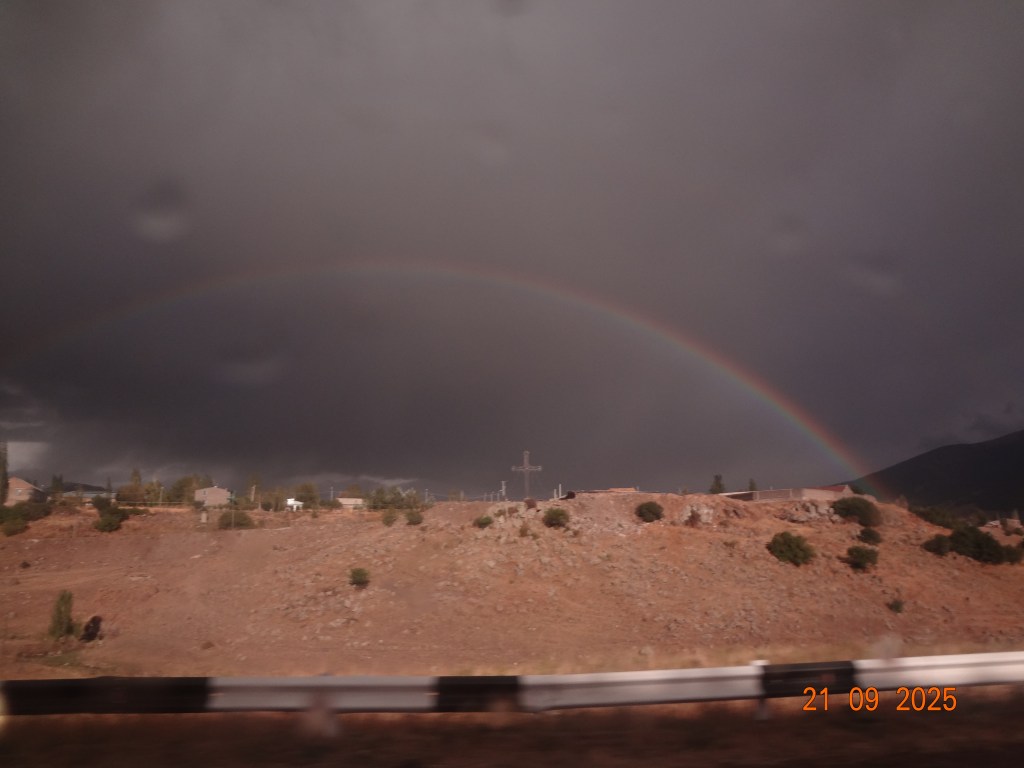
Վերադարձի ճանապարհն անցավ նույն ձևով․ նորից բեռնատարով շարժվեցինք դեպի ավտոբուս, բայց այս անգամ թեթև անձրև էր գալիս։ Ճանապարհին կանգ առանք Գնթունիկում՝ մի քիչ հանգստանալու և ուտելու համար։

Այս ճամփորդությունը ինձ շատ դուր եկավ։ Այն թողեց հաճելի հիշողություններ՝ և՛ ծիծաղով լի պահեր, և՛ գեղատեսիլ տեսարաններ։