Dear students, please post your words on your blog and be ready for the final rehearsal.
I do
I am a school doctor and I have been working at this school for 15 years.
I was examining another student who was constantly coughing and sneezing and when Erik knocked the door I told him to wait outside until I finished examining the student. It took only some 5 minutes and when I asked my colleague to call Erik, He wasn’t there.
My colleague, who was at my room at that time
Destination B2 Gerund and Infinitive slide 107 theory/ ex-es A, B slide 109
A. Circle the correct word or phase.
I really don’t feel like going out tonight. Do you?
Everyone expected his business to fail within the first few months.
What would you like to do this evening?
We discussed turning the attic into a spare bedroom with the architect.
She wasn’t able to speak very clearly after her accident.
Do you mind moving your car, please? You’re blocking the road.
They’re going to postpone making a decision until next month.
Are you planning to get a new DVD player?
Are you thinking of getting a PlayStation?
I’m very pleased to tell you that you’ve passed!
Sarah’s offered to put us up for the weekend.
I’m really looking forward to going on the cruise.
B. Complete using the correct form (-ing form or full infnitive) of the verb in brackets. You may need to use the passive voice.
I’ll never forgive June for lieing to me like that.
Daniel’s not very good at making friends.
I can’t resist buying things when they’re in the sales.
We’ve got to encourage students to study, not blame them for not studying.
I don’t know how you managed to persuade the bank manager to lend you so much money!
Does Jessica dislike walking so much that she’s not going to come with us?
Do you deny stealing the money? Yes or no?
The kids were pretending to be asleep but they didn’t fool me for a second.
I refuse to accept that there’s no alternative.
No one understands how Jill can afford going on so many holidays each year.
He only just escaped being sent to prison. Next time, the judge won’t be so forgiving.
He expected to give a brand new computer for Christmas, but all he got was a second-hand watch!
Փոքր ժամանակ ինձ տատիկս շատ էր ասում, որ ես պետք է դառնամ բժիշկ, այդ պատճառով ընդհանրապես չէի ուզում այդ մասնագիտությունը ընտրել: Սակայն որոշ ժամանակ հետո, մեծանալով, ես հասկացա, որ վերջիվերջո ինձ դուր է գալիս բժշկությունը: Այս վերջին տարիները ես սկսել եմ հետաքրքրվել կենսաբանությամբ, հատկապես քննություններին պատրաստվելիս, և որոշել եմ իմ մասնագիտությունը կապել դրա հետ:
Իմ ընտանիքում մեծ մասը բժիշկներ են, մասնավորապես շատ են նյարդաբանները և դա մեծ ազդեցություն է ունեցել ինձ վրա: Իմ շուրջը հետաքրքիր թեմաներ են քննարկում բժշկության վերաբերյալ: Իսկ վերջերս ես ծանոթացա հարազատներիս բժշկության հետ կապված գիտահետազոտական աշխատանքներին, որոնք նրանք ժամանակին կատարել էին:
Ինձ շատ էին պատմում հայրիկիս պապիկի՝ Գաբրիելի մասին, ով ճանաչված բժիշկ-գիտնական և պրոֆեսոր էր, աշխատում էր կենսաքիմիայի ոլորտում։ Նաև հիմնել է գիտահետազոտական լաբորատորիա ԵՊԲՀ-ում։ Նա նաև մի քանի գիրք է գրել: Հայրիկս նյարդաբան է, նաև քնի շարժողական խանգարումների և էպիլեպսիայի մասնագետ: Մայրիկս նույնպես նյարդաբան է և շարժողական խանգարումների մասնագետ է:
Այսպիսով, ծանոթանալով իմ ընթանիքի անդամների գործունեությանը, ինձ ավելի հետաքրքրեց կենսաբանությունը և ես շատ եմ ոգեշնչվում նրանցով:
Տրդատ III-ին, ում գահակալությունը նշանակալից դարաշրջան է եղել հայոց պատմության մեջ, հաջորդել է Խոսրով Գ Կոտակը, ով գահը զբաղեցրել է 330-338 թթ.: Նա գահին է բարձրացել բավականին դժվար պայմաննեում, սակայն Հայոց կաթողիկոս Վրթանես Ա Պարթևի գլխավորած հակապարսկական խմբակցությունը Խոսրովին գահ բարձրացրեց Կոստանդինոս կայսեր ուժերով։
Խոսրով III-ի մականունը Կոտակ է, քանի որ նա հայտնի էր փոքր հասակով: Նա շարունակեց աշխատել՝ Հայաստանի քաղաքականությունը և մշակույթը զարգացնելու և հզորացնելու վրա։
Խոսրով Գ-ի նշանավոր արարքներից էր Դվին անունով նոր քաղաքի ստեղծումը, որը գտնվում էր համանուն բլրի վրա և այնտեղ կառուցում արքունի ապարանք։ Արշակունիների մայրաքաղաքը եղել էր Արտաշատը՝ մ․թ.ա. 185 թվականից։ Սակայն Երասխի վտակ Մեծամորի հունը փոխվել էր, և Արտաշատի մոտ ճահիճներ էին առաջացել։ Այդ պատճառով Խոսրովը մայրաքաղաքից ոչ հեռու Դվին քաղաքն է կառուցում և այն դարձնում մայրաքաղաք։
Բացի այդ, նա ստեղծեց Դվինը շրջապատող երկու արհեստական անտառների ծրագիրը, որոնցից մեկը կոչվում էր <<Տաճար մայրի>>, իսկ մյուսը՝ <<Խոսրովակերտ>>, որը մինչև Երասխ էր հասնում։ Թագավորը հրամայում է անտառները լցնել կենդանիներով և գազաններով` որսի և ժամանցի համար: Նաև օգտագործում էր այն որպես ռազմական ուսուցման վայր։ Դրանք աշխարհում առաջին արհեստական անտառներից էին: Այս անտառները ոչ միայն ծառայում էին բնապահպանական նպատակներին, այլև նպաստում էին տարածաշրջանի գեղագիտությանը:
Խոսրով Կոտակն ուներ արտաքին թշնամիներ, ինչպիսիք էին Մազկուտ թագավոր Սանեսանը և պարսից արքա Շապուհ II-ը: Նա զբաղվել է նաև ներքին մարտահրավերներով՝ լուծելով վեճերը և վերականգնել կարգուկանոնը Աղձնիքում և Հայոց Միջագետքում, նաև դրանք միացնելով։ Որդունիների և Մանավազյանների նման նախարարների միջև հակամարտությունները լուծելու համար Խոսրովը զորք ուղարկեց Վաչե Մամիկոնյանի գլխավորությամբ՝ թագավորի հրամանով քանդելու նրանց տները։
336 թվականին Սասանյան զորքերը Շապուհ Բ Դուրգուկյացու գլխավորությամբ ներխուժեցին Հայաստան։ Հայոց արքան խնդրեց նախարար Դատաբենին պաշտպանել, բայց Դատաբենը դավաճանեց և միացավ թշնամուն։ Թագավորի դեմ ապստամբեց նաեւ Աղձնեցի Բակուրը։ Սակայն Վաչե Մամիկոնյանը և Վահան Ամատունին 30 հազար զորքով ջախջախեցին թշնամուն՝ Վանա լճի հյուսիս-արևելյան ափին գտնվող Արեստ քաղաքի մոտ ապահովելով Հայաստանի ազատությունը։ Դաբենն ու նրա տոհմը պարտվեցին, և նրանց հողերը անցան թագավորին:
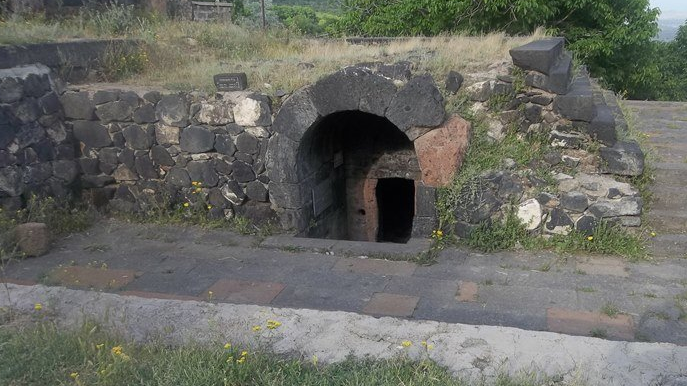
Արշակունիների դամբարան
Չնայած Հայաստանի զարգացման գործում ունեցած ներդրմանը, Խոսրով Գ-ի գահակալությունն ավարտվել է նրա մահով 338 թվականին։ Նա թաղվել է Արշակունի թագավորների թագավորական դամբարանում՝ թողնելով քաղաքացիական զարգացման և շրջակա միջավայրի պահպանության ժառանգություն։ Խոսրով Գ-ի մահից հետո գահ է բարձրանում նրա որդին՝ Տիրանը, որը կառավարում է 338-350 թթ.։
Dear students, please come with your roles and words ready for the presentation. Navigate Student’s Book slide Gerund and Infinitive slide 145, ex-es 1,2,3
1. Make sentences using the prompts.
1. I want to see the new James Bond film. 2. My friend insisted on paying for the cinema tickets last night. 3. Adam hopes to get to London at about two-thirty. 4. I didn’t expect to enjoy the film so much. 5. Let’s watch a film at home tonight instead of going to the cinema. 6. We have great memories of living in Austria. 7. Did you manage to finish writing your report?
2. Complete the conversations with the verbs in the box. Use the -ing form or infinitive with to.
1. A We’re thinking of going to see a film. Would you like to go with us. B Great, thanks. I’d do anything to avoid doing! 2. A I’m thinking of going to acting lessons. B You’re going to start acting! I never knew you were interested in becoming an actor. 3. A Are you interested in going to that film exhibition? I’m going with Francesca tomorrow. B I’d really like to, but I’ve promised to go out for the day with mum. I think she’s planning to take all sorts of things. I can’t let her down.
3. Rewrite the sentences to make one sentence with similar meaning. Use the words in brackets.
1. He didn’t apologise for being late. 2. Francesco left without saying goodbye. 3. Carmen is very good at playing the guitar. 4. Ingrid can’t afford to buy a new car. 5. I’m nervous about taking my driving test tomorrow. 6. I forgot to book the tickets.
Dear students, please learn your roles and be ready to present in class. Watch the video and answer the questions, slide 45, ex 3,4 Navigate Review slide 46, ex-es 1a,2a,3a,4a, Classroom activities Navigate Grammar Gerund and Infinitive slide 145
3. Watch the video. Answer the questions.
1. Why did city planners decide to develop a new city? Seoul is one of the most developed, but at the same time crowded cities in the world. Around 10 million people live there with a further 15 million people living in the city’s outskirts. So that lead the government to build a new city near Seoul, which is called Songdo. 2. How is Songdo different to many other cities. Songdo is a really developed city. It uses technological innovations that make living there very comfortable.The green areas make up 40% of the city, also they use a really interesting technology to collect rubbish directly from peoples’ homes and so on. The Songdo project is the largest property development in history. It’s the city of the future.
4. Watch again. Complete the summary with the words in the box.
City developers are building Songdo on land which was underwater until some years ago. There are plenty of green spaces in the city, and there is a large park in the centre with skyscrapers all around it. Property developers have built 80,000 new homes as well as schools and a university. The city aims to watchpollution levels carefully by using technology to measure energy use and car use. Designers are also planning a system which will soon use the population’s waste and rubbish to generate renewable energy. Families like living here because there is so much space. Planners also hope that they will soon see more businesses in Songdo when transport links with Seoul are even faster. Songdo is a city of the future, and it could become a model for many other cities around the world.
1a. Complete the replies with the correct form of will or going to and the verbs in brackets.
A I just can’t do this maths problem. B Don’t worry, I will help you.
A Can you lend me £20? B I suppose so. A Thanks, I promise I will give it back next week.
A I’m starting college next week. B Really? What are you going to study?
A Have you got any plans for your birthday? B Yes, I am going to have a big party.
A Why have you got your coat on? B I am going to get a few groceries we need from the supermarket.
A You look tired. B Yes, you’re right. I think I will go to bed now.
2a. Choose the correct options to complete the sentences.
I might get a new car soon. My old one is 10 years old now.
I’ll probably go out tonight, but I haven’t quite decided yet.
I’m definitely going to live abroad one day.
I won’t move house soon. It’s too expensive at the moment.
I will definitely visit Bolivia one day.
I probably won’t move to another city. I like living here.
4a. Read the conversation between a receptionist (R) and a guest (G) and complete each sentence with up to four words.
R Hello, Grand Hotel. How can I help you? G Hello, I think I may have left my briefcase at reception this morning. I wonder if you know if it’s been handed in? R Certainly. Could I have some details? What colour was it? G It’s black, and it has my initials on it, MHG, Miguel Hernandez Garcia. R Thank you .. one moment .. Yes, we have it. G That’s great. I wonder if I could come and pick it up this evening? R Yes, any time. Can I help you with anything else? G No, that’s all. Thank you for your help, though. I really appreciate it.
Հանածո վառելիքը ստացվում է քայքայվող բույսերից և կենդանիներից: Այս վառելիքները գտնվում են Երկրի ընդերքում և պարունակում են ածխածին և ջրածին, որոնք կարող են այրվել էներգիա ստանալու համար: Ածուխը, նավթը և բնական գազը հանածո վառելիքի օրինակներ են։
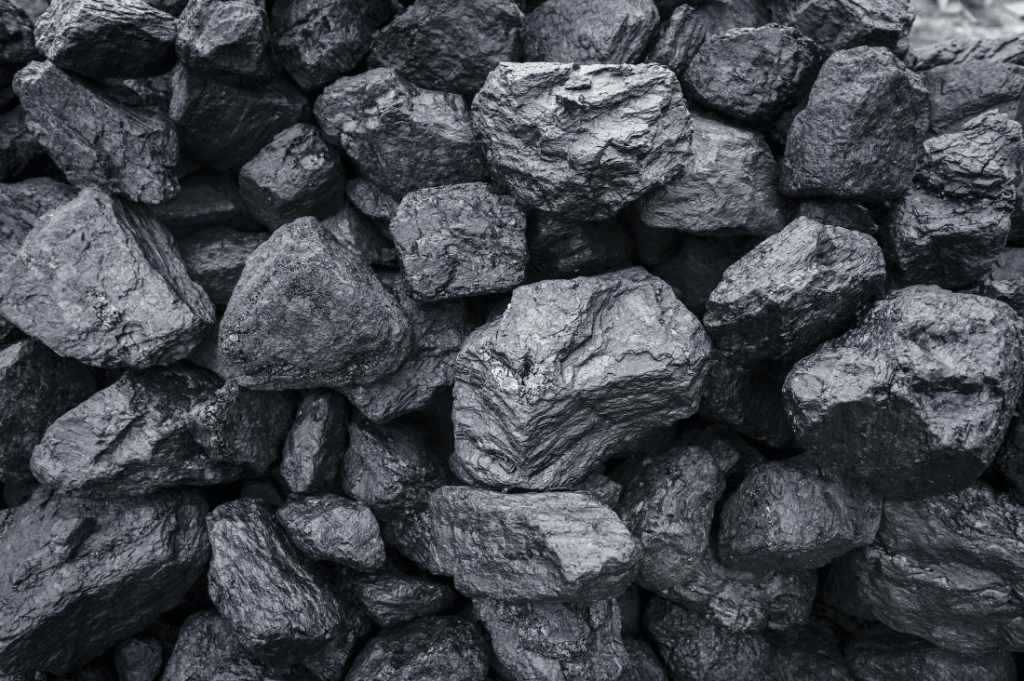
Ածուխը նյութ է, որը սովորաբար հայտնաբերվում է նստվածքային ապարների հանքավայրերում:
Նավթը սկզբնապես հայտնաբերվում է որպես պինդ նյութ նստվածքային ապարների շերտերի միջև: Այս նյութը տաքացվում է, որպեսզի ստացվի յուղ, որը կարող է օգտագործվել բենզին պատրաստելու համար:
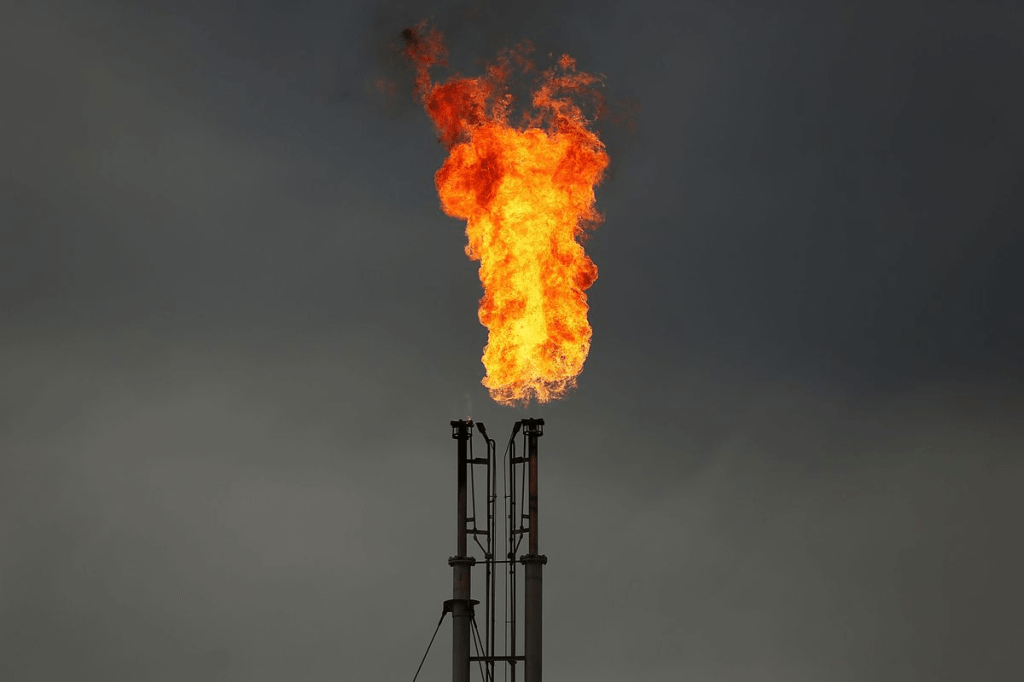
Բնական գազը հանդիպում է նավթի հանքավայրերի վերևում գտնվող գրպաններում: Այն կարող է հայտնաբերվել նաև նստվածքային ապարների շերտերում, որոնք նավթ չեն պարունակում: Բնական գազը հիմնականում կազմված է մեթանից։
Հանածո վառելանյութերը շատ թանկարժեք ռեսուրսներ են, քանի որ դրանք չվերականգնվող են: Դրանցից մենք կարող ենք նաև շատ օրգանական քիմիական նյութեր պատրաստել, որոնք անհրաժեշտ են ներկեր, լվացող միջոցներ, պոլիմերներ (ներառյալ պլաստմասսա), կոսմետիկա և որոշ դեղամիջոցներ պատրաստելու համար:
Ընդերքից ստացումը
Ածուխը ձևավորվում է ցամաքում հսկայական տորֆային ճահիճներում, որոնք ի վերջո թաղվում են ծովի մոտ և այլ նստվածքներ դրվում են դրանց վրա. միլիոնավոր տարիներ անց տորֆը վերածվում է ածուխի։
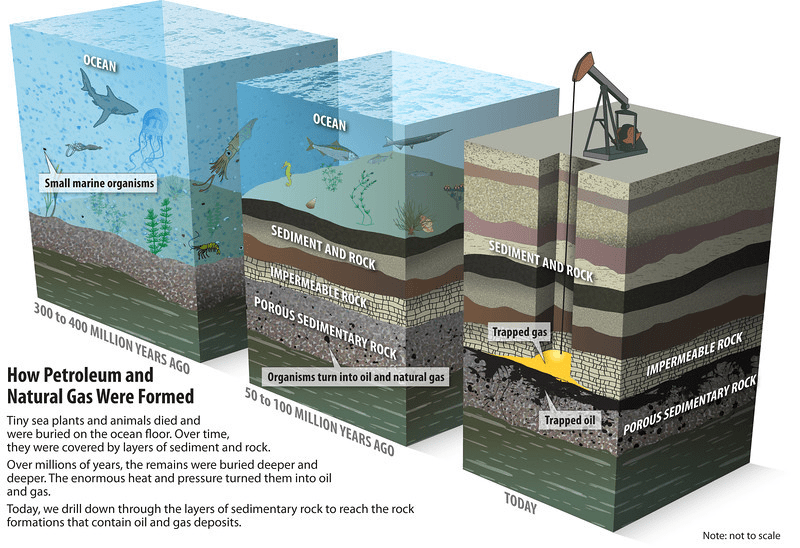
Նավթը և գազը ստացվում են միկրոօրգանիզմների և բանջարեղենի մեռած նյութերից, որոնք գնացել են երկրի խորքերը:
Կլիմայի փոփոխության պատճառով դրանք ծածկել են նստվածքի շերտերը։ Միլիոնավոր տարիներ անց (400–600 միլիոն տարի) ճնշման, բարձր ջերմաստիճանի և թթվածնի բացակայության պայմաններում այս նյութերը դառնում են հանածո վառելիք: Հողում առաջանում է ածուխ։ Նավթը և բնական գազը գոյանում են օվկիանոսի տակ: Նրանք ի վերջո ծածկվում են այլ նստվածքներով, և ամբողջ տարածքը վերածվում է քարի: Սակայն մահացած ջրիմուռների յուղերն ու գազերը ի վերջո դուրս են մղվում իրենց սկզբնական ժայռերի ձևավորումից, գաղթում են դեպի վեր՝ նստվածքային ապարների ավազանում և հետո արգելափակվում ջրամբարում:
Նմանություններ. երեքն էլ առաջանում են օրգանական մնացորդներից և երեքն էլ առաջանում են հսկայական ճնշման տակ նստվածքային հաջորդականությամբ:
Տարբերություններ. ածուխը ձևավորվում է ճահիճներում և ափամերձ ճահիճներում գտնվող ցամաքային բույսերից, մինչդեռ նավթն ու գազը ստացվում են փոքր ծովային օրգանիզմներից, ինչպիսիք են ջրիմուռները և ֆիտոպլանկտոնը:
Էներգիայի ստացում
Այս հանածո վառելիքները երկար տարիներ եղել են էներգիայի հիմնական աղբյուր մարդկային տարբեր գործունեության համար, ինչպիսիք են էլեկտրաէներգիայի արտադրությունը, ջեռուցումը, փոխադրումը և արդյունաբերական գործընթացները:
Էլեկտրաէներգիա արտադրելու համար օգտագործվող վառելիքի քանակը կախված է էլեկտրակայանի արդյունավետությունից և վառելիքի ջերմային պարունակությունից:
Մեկ մետրիկ տոննա ածուխը կարող է արտադրել 1927 կՎտ/ժ էլեկտրաէներգիա, իսկ 1000 խորանարդ ֆուտ բնական գազը կարող է արտադրել 99 կՎտ/ժ էլեկտրաէներգիա: Մեկ գալոն նավթից արադրվում է 12,69 կՎտ/ժ էներգիա:
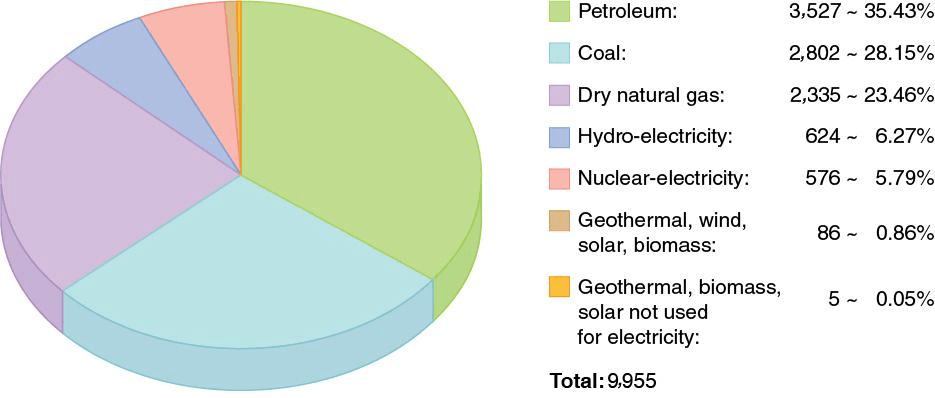
Էներգիայի առաջնային աղբյուրների վիճակագրության համաձայն՝ նավթն արտադրում է աշխարհի էներգիայի մոտավորապես 33,1%-ը, գազը՝ 24,2%-ը և ածուխը՝ 27%-ը, այսինքն՝ ընդհանուր այս երեք էներգիա ստանալու միջոցները կազմում են ամբողջ աշխարհի էներգիայի 84,3%։
Աղտոտում
Ի տարբերություն քամու և արևի էներգիաների, հանածո վառելիքները վերականգնվող չեն, և հանածո վառելիքի հսկայական պաշարները, որոնք դեռ կան, մի օր կարող են սպառվել:
Ավելի հրատապ մտահոգություն է շրջակա միջավայրի վնասը, որն առաջացել է հանածո վառելիքի արդյունահանման և այրման հետևանքով: Հանածո վառելիքի այրման արդյունքում արտազատվող ածխաթթու գազը գլոբալ տաքացման հիմնական պատճառն է: Ածուխն արտանետում է ամենաշատ ածխածնի արտանետումները, որին հաջորդում է նավթը, ապա բնական գազը:
Dear students, please find your names in the script and learn to read your parts fluently. Listen to the interview with Ashot Bleyan related to Mkhitar Sebastatsi Educational Complex, watch the video, and answer the questions. Write your attitude and approach towards the school you study.
What kind of city is Venice? Venice, the magnificent city of canals. Every time you walk by the streets of Venice, you get the urge stretch your hands and touch the bricks of the antique buildings.
What is Venice famous for? Venice is famous for its canals, bridges, tourist attractions, Venitian masks and so on.
Why is it noteworthy city for Armenians? It is noteworthy city for Armenians because back in the 1512 Hakob Meghapart had published the first Armenian printed book “Urbatagirq”. But the first Armenian Venetian relations date back to the sixth to seventh centuries and had reached their peak during the Armenian kingdom of Cilicia.
How was the first published book called? The first Armenian printed book is called “Urbatagirq”.
Speak about the Island of San Lazzaro? The island that Armenian have a connection to is called San Lazzaro. When you see the island your heart swells with excitement.
What can you see at the bay? The first thing that you see at the bay when you get to the island is the Armenian ship.
Who was the founder of the monastery church? The founder of the monastery church was clergyman named Mkhitar.
Who was Mkhitar Sebastatsi? Mkhitar Sebastatsi was the founder of an Armenian Catholic order. He settled on the island of San Lazzaro and founded the COngressional Venice.
Where did Mkhitar Sebastatsi arrive from? Mkhitar Sebastatsi had arrived from Sebastia.
Thanks to whom could he found the Congregation? Thanks to the goodwill of local government Mkhitar Sebastatsi finally settled and founded the Congressional Venice.
What can you see in the museum? In the museum you can see artworks of Ayvazovski, Martiros Saryan, ancient coins, traditional clothes and much more.
What mission does the Congrgation carry out up to this day? The Congregation continues to carry out the mission that was given to him by divine power.




 Նանե Խաչատրյան